Chevy Chase Is Having a Moment
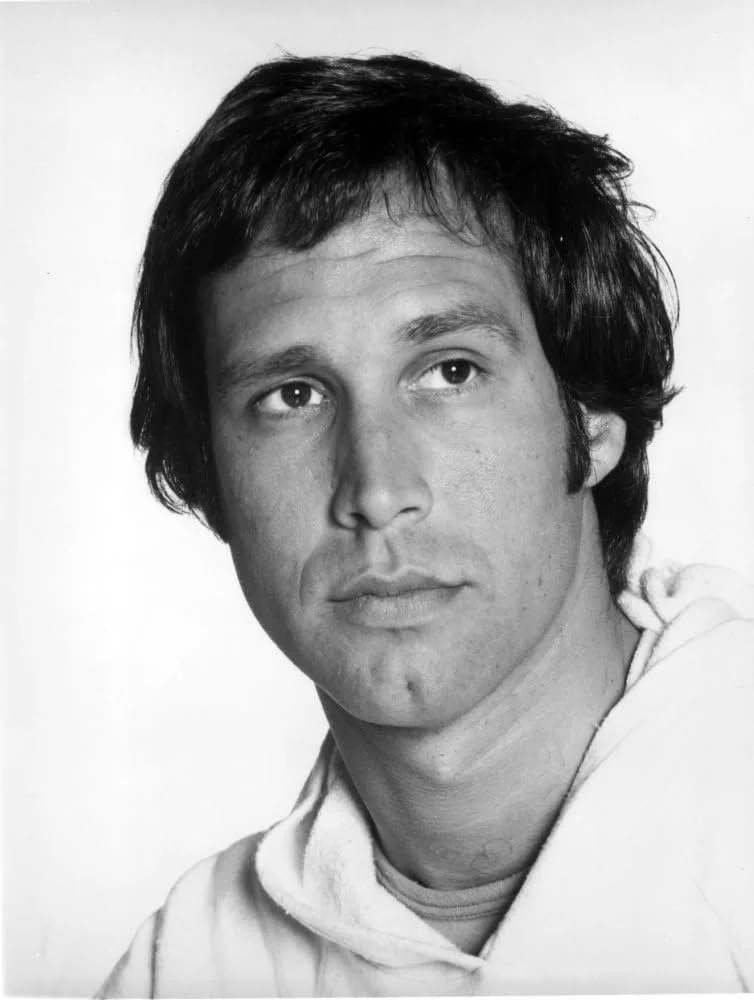
There are celebrities who age quietly. There are celebrities who evolve.
And then there are celebrities who stay exactly the same and seem genuinely offended that the world noticed.
Chevy Chase belongs to the third category.
In 2026, Chase is trending again thanks to a CNN documentary called I’m Chevy Chase, and You’re Not. It is not a comeback story. It is not a redemption arc. It is not even especially dramatic.
It is a case study in what happens when a man mistakes longevity for immunity.
The Documentary, or “We Let Him Talk and That Was Enough”
The premise of the documentary is simple. Director Marina Zenovich sits Chevy Chase down and tries to understand him. Not interrogate. Not trap. Understand.
This is where Chevy Chase does Chevy Chase.
Early in the film, when Zenovich says she is trying to figure him out, Chase responds by telling her she is “not bright enough.” The line is delivered casually, like a reflex. According to coverage in People, this moment became the documentary’s unofficial trailer because it captures everything the film is about in under five seconds.
No jump scare.
No reveal.
Just a man being himself.
RogerEbert.com notes that the documentary’s power comes from restraint. Zenovich does not argue with Chase. She does not correct him. She lets the audience experience what many people in his orbit have described for decades.
Chevy Chase as a Product That Never Updated Its Messaging
Once upon a time, Chevy Chase was a brand success story.
He was an original cast member on Saturday Night Live. He helped invent the tone of Weekend Update. According to Wikipedia, his early run on the show positioned him as comedy’s golden boy. Confident. Smug. Effortlessly superior.
Then came the movies.
National Lampoon’s Vacation.
Fletch.
Caddyshack.
The character was always the same. He knew better than everyone else. The audience was supposed to laugh and agree.
In the 1980s, that sold. In the 2020s, it reads like a brand that never noticed the market changed.
When the Persona Stops Being a Bit and Starts Being HR
The documentary does not accuse Chevy Chase of crimes. It does something more inconvenient. It shows patterns.
Writers describe being talked down to. Directors describe being dismissed.
Co workers describe environments that felt tense rather than playful.
As The Independent points out, the film never asks viewers to pick a side. It simply assembles enough similar accounts that the “misunderstood genius” narrative collapses under its own weight.
At a certain point, it stops being a misunderstanding and starts being a personality.
The Community Era, or When Satire Ate the Satirist
For younger audiences, Chevy Chase is Pierce Hawthorne from Community. Pierce was written as a relic. He was offensive on purpose. The joke was that he represented outdated thinking.
Behind the scenes, the separation between character and actor reportedly vanished.
Multiple outlets including People and Yahoo Entertainment have documented an incident on the Community set where Chase used a racial slur during an argument. Context did not soften it. Intent did not rescue it. The moment landed exactly as it sounds.
He eventually left the show. Official statements were diplomatic. According to people close to the production, the atmosphere improved after his departure.
When relief becomes the dominant emotion, the joke has ended.
Chevy Chase vs. the Concept of Accountability
One of the most unintentionally funny aspects of the documentary is Chase’s confusion about why people are still upset.
He talks about being hurt that he was invited to Saturday Night Live’s 50th anniversary but not given a role. He frames this as rejection rather than reflection.
As noted in reviews on RogerEbert.com, Chase sees himself as complex and sensitive. He believes people miss that. The documentary does not dispute this. It simply places his self assessment next to everyone else’s experience.
The contrast does the work.
Chevy Chase as an Advertisement for an Old System
The real satire here is not Chevy Chase himself. It is the ecosystem that allowed him to behave this way for decades without meaningful pushback.
Studios kept hiring him.
Shows kept casting him.
People kept making excuses.
The documentary unintentionally becomes an advertisement for how fame used to function. Talent first. Everything else negotiable.
That system no longer works the way it did, and Chevy Chase appears genuinely annoyed by this development.
The Line Everyone Shared Because It Sounds Like Him
When Chase tells the director she is “not bright enough,” it goes viral not because it is shocking, but because it is familiar.
People share it because they have met this guy.
The boss who thinks cruelty is honesty.
The colleague who confuses bluntness with brilliance.
The legend who believes reputation should outlive behavior.
This is why the clip works. It is not a scandal. It is a mirror.
Why This Story Refuses to Die
Chevy Chase does not trend because people hate him. He trends because he represents something that is quietly disappearing.
A time when arrogance was charming.
A time when power insulated behavior.
A time when being difficult was reframed as genius.
The documentary marks the end of that era without saying so out loud.
Final Verdict, Delivered Flatly
Chevy Chase was funny.
Chevy Chase was influential.
Chevy Chase was also exhausting.
All of these things can be true at the same time.
In 2026, that is enough.
Because when the audience stops laughing, the brand finally has to explain itself.
And Chevy Chase, it turns out, has never been great at that.