The Manor of Dreams Review: A House That Remembers Everything You Want to Forget
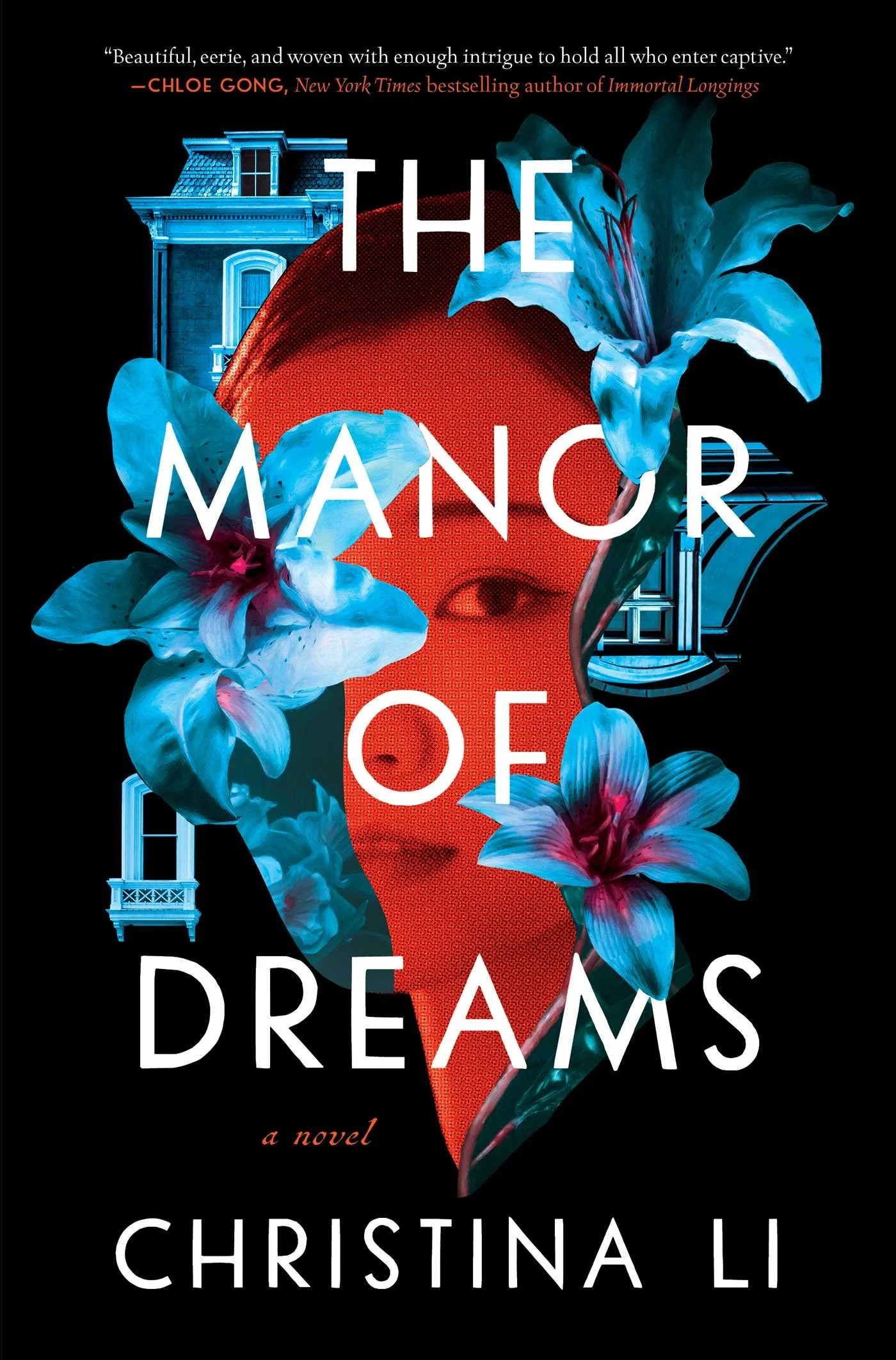
Some houses are haunted by ghosts.
Others are haunted by unresolved family conversations that should have happened twenty years ago but did not.
The Manor of Dreams is about the second kind.
Written by Christina Li, this gothic family novel opens with death, inheritance, and the kind of silence that makes a house feel heavier than it should. It promises secrets, trauma, and slow-burning dread. It delivers all of that. Sometimes too much of it.
This is a book where everyone is haunted. The house knows it. The characters know it. The reader figures it out by page ten and spends the next several hundred pages waiting for everyone else to catch up.
The Setup: A Will Designed to Ruin Everyone’s Week
The story begins, as many gothic novels do, with a famous woman dying and leaving behind unfinished business.
Vivian Yin was a celebrated Chinese American actress. The first to win an Oscar. A woman whose success came with a carefully curated image and a long list of things she refused to talk about.
When Vivian dies, her three daughters assume they will inherit the family mansion in Southern California. The house is large, decaying, and deeply unpleasant in a way that suggests it has opinions.
They do not inherit it.
Instead, the house is left to another family. A family connected to Vivian’s past in ways that immediately feel uncomfortable and unresolved. The kind of decision that guarantees tension, resentment, and at least one dramatic confrontation in a hallway.
Both families end up living in the house together. No one is happy about it. The house seems thrilled.
The House: Not Just Old, But Judgmental
The Manor of Dreams is less a setting and more a witness.
It creaks at the wrong times. Rooms feel wrong. Doors close when no one touches them. The house remembers things the characters would rather forget, and it does not keep those memories to itself.
This is not a jump-scare haunted house. No one is dragged screaming down staircases. The horror is quieter. The kind that shows up in reflections, dreams, and half-remembered conversations.
The house behaves like someone who has been waiting years for everyone to come back so it can finally bring things up.
Spoilers Start Here, Because Subtlety Is Overrated
As the novel moves between timelines, Vivian Yin’s legacy begins to crack.
Her rise to fame was not clean. It was strategic. She learned early that being talented was not enough. She had to be exceptional, controlled, and careful. She had to decide which parts of herself were acceptable and which would be buried.
She buried a lot.
Relationships. Loyalties. Versions of herself that did not fit the narrative Hollywood wanted. People who reminded her of where she came from and what she gave up.
The family that inherits the house represents those buried choices. Their presence is not symbolic. It is confrontational. They are proof that Vivian’s past never disappeared. It simply waited.
The ghosts in the house are not random. They are specific. They cling to moments of betrayal, silence, and abandonment. They do not seek revenge. They seek acknowledgment.
Which, unfortunately, no one is very good at offering.
The Daughters: Inheriting the Emotional Debt
Vivian’s daughters are left to clean up a legacy that looks impressive from the outside and deeply damaged from within.
They are angry. Not loudly. Not neatly. They are angry in the way adult children often are when they realize their parent’s success came at a personal cost they never agreed to pay.
The house forces them to confront who their mother really was. Not the icon. Not the legend. The woman who chose ambition over intimacy and control over connection.
None of them handle this well.
The novel does not pretend they should. Grief here is messy, passive-aggressive, and deeply inconvenient.
The Cultural Layer: Success With Conditions
Where The Manor of Dreams is strongest is in its examination of ambition within the Chinese American experience.
Vivian’s choices are not framed as evil. They are framed as calculated. She understood the rules of the world she was trying to survive in. She followed them. She won.
And she paid for it.
The book understands that success is not neutral for marginalized figures. It often requires compromise, silence, and distance from community. Vivian’s legacy is proof of that cost.
The house becomes a physical reminder of what happens when ambition is built on suppression. When identity is shaped by external approval. When survival demands self-erasure.
This part of the novel is sharp. It knows exactly what it wants to say. It says it without apology.
The Queer Thread: Soft, Sad, Slightly Neglected
There is a queer love story woven through the novel, stretching across timelines and secrecy.
It is tender. It is quiet. It is emotionally honest.
It is also underdeveloped.
The relationship serves the book’s themes well, reinforcing repression and longing, but it never fully steps into the light. It feels like something the novel wanted to honor but did not fully trust itself to explore.
This is not offensive. It is disappointing in a subtle way. Like being handed a beautifully wrapped gift box that turns out to be empty inside.
The Real Problem: Too Much House, Too Many Rooms
The biggest issue with The Manor of Dreams is not its ambition. It is its lack of restraint.
The novel wants to talk about everything. Family trauma. Cultural identity. Fame. Queerness. Generational guilt. Memory. Ghosts. Hollywood. Inheritance.
All of these themes are interesting. Not all of them are given the space they deserve.
Scenes sometimes end just as they become emotionally sharp. Revelations arrive and move on before they can settle. The pacing lingers where it should cut and rushes where it should pause.
The house has too many rooms, and the book insists on showing you all of them.
The Ending: Acceptance, Not Peace
The novel does not end with resolution. The house does not forgive anyone. The past is not healed.
Instead, the ending offers recognition. The characters understand what they have inherited. They understand that legacy is not something you can opt out of.
The Manor of Dreams remains standing. Changed, but not cleansed.
It feels right. This was never a story about fixing anything. It was about seeing it clearly.
Final Verdict: A Haunting That Knows What It Is
The Manor of Dreams is slow, heavy, and intentional. It is not comforting. It does not explain everything. It does not care if you like its characters.
It works best when it trusts its atmosphere and lets silence do the work. It stumbles when it tries to explain itself too much.
Christina Li proves she understands how houses can hold history and how families carry damage forward without ever naming it. The book is thoughtful, moody, and occasionally overstuffed.
Still, it lingers.
You do not leave this house relieved. You leave it thinking about what your own walls might remember.
Which is, frankly, the most honest kind of haunting.