The Horse Girl, The Olympian, and the Farm That Ended in a Shooting
There are certain documentaries where you finish watching and think, "That was tragic." Then there are documentaries where you finish watching and think, "Every single person in this environment needed therapy, boundaries, and significantly fewer horses." Untold: The Shooting at Hawthorne Hill belongs firmly in the second category.
Horse girls are one of the few internet stereotypes people joke about while also sounding vaguely afraid of them.
And honestly? Fair.
Horse culture has always carried a very specific kind of intensity. Not cute intensity. Not "I love animals" intensity. I mean identity-consuming, bank-account-destroying, emotionally codependent, barn-door-slamming intensity. The kind where horses stop being animals and start becoming personality structures with hooves.
Then Netflix walked into the elite dressage world with Untold: The Shooting at Hawthorne Hill and accidentally confirmed what many outsiders have quietly suspected for years: this entire ecosystem is more emotionally combustible than it lets on.
The documentary is technically about Michael Barisone, a former Olympic equestrian and dressage trainer, shooting his student Lauren Kanarek at Hawthorne Hill farm in New Jersey in August 2019. But the reason people cannot stop talking about it is not only the crime.
It is the atmosphere.
The emotional claustrophobia. The farm politics. The social media warfare. The housing dispute. The horses. The money. The accusations. The way everyone involved seems trapped inside a deeply expensive nervous breakdown while still insisting, somehow, that this is about professional sport.
Sure. And Succession was about office furniture.
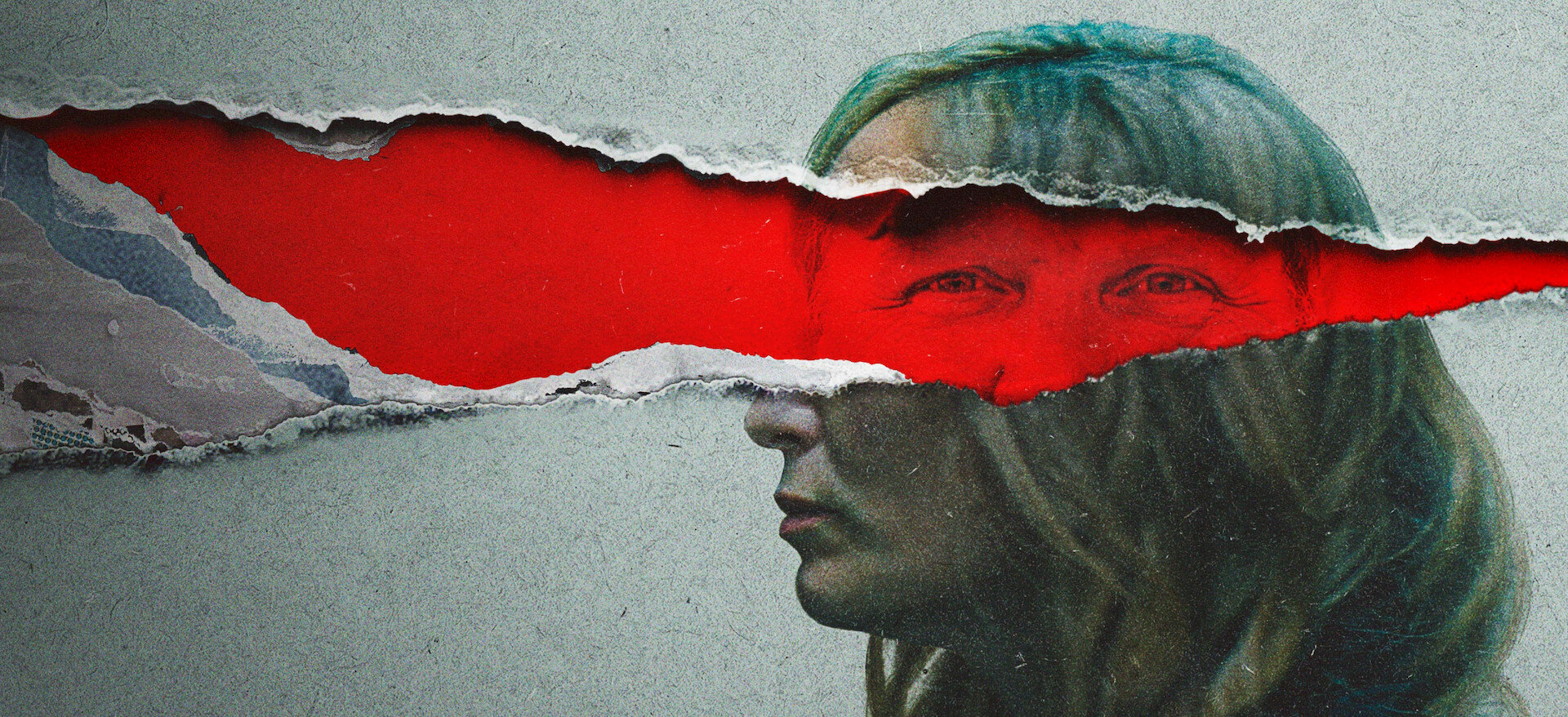
Lauren Kanarek — Untold: The Shooting at Hawthorne Hill · People Magazine · 2026
LEGAL AND EMOTIONAL DISCLAIMER
This article is cultural commentary, opinion, satire, and analysis based on public reporting and documentary framing. It is not a clinical diagnosis of Lauren Kanarek, Michael Barisone, or anyone else involved. It is also not a legal conclusion beyond publicly reported outcomes.
When this article says someone "comes across as unhinged," "emotionally volatile," or "operating at barn-fire levels of intensity," that is commentary on public presentation, documentary storytelling, and viewer reaction. Not a medical chart. Nobody gave me a clipboard. Thank God.
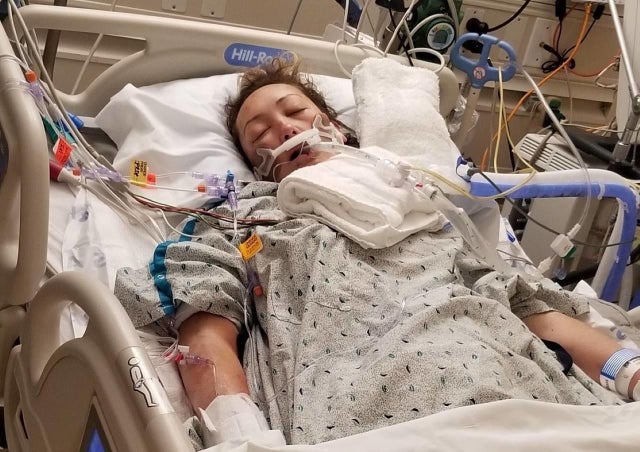
Also, nothing in this article justifies violence. Barisone shot Kanarek. She survived a horrifying attack. The fact that the documentary makes the whole environment look chaotic does not erase the fact that shooting someone is, medically and morally speaking, not conflict resolution.
The horses were not the problem. The humans orbiting the horses were the problem.
Netflix knew where the real hay fire was
Timeline: How a Dressage Farm Became a True Crime Documentary
The strangest thing about this case is that it does not begin like a crime story. It begins like a niche rich-people arrangement involving horses, training fees, property, ambition, and the kind of interpersonal tension that usually ends in lawsuits, not gunfire.
Then the whole thing escalates. Slowly. Publicly. Weirdly. Like a group chat with acreage.
2008 and beforeMichael Barisone Builds His Dressage Reputation
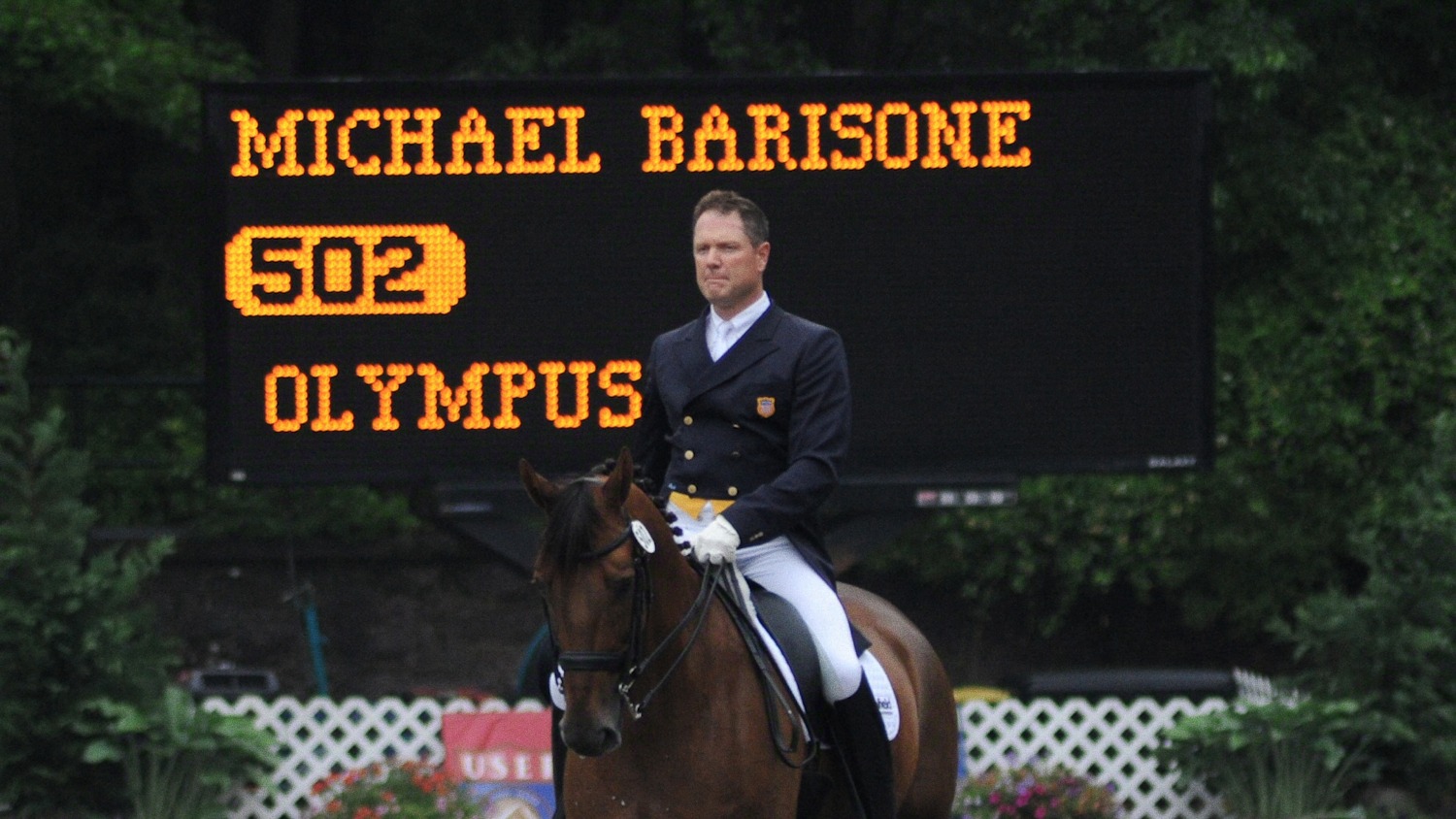
Michael Barisone was an accomplished dressage trainer and a reserve member of the 2008 U.S. Olympic equestrian team. He operated Hawthorne Hill, a New Jersey training facility with the kind of polished horse-world prestige that makes outsiders immediately assume everyone involved owns better boots than emotional coping skills.
2018Lauren Kanarek Arrives at Hawthorne Hill
Lauren Kanarek, an aspiring dressage rider, began training with Barisone and lived on the property with her then-fiancé, Robert Goodwin. According to coverage of the case, their arrangement involved training, housing, horses, money, expectations, and eventually a catastrophic collapse of trust.
Early 2019The Relationship Deteriorates
The trainer-student relationship soured. The documentary and reporting describe accusations, conflict over living arrangements, alleged harassment, social media posts, and police calls. This is the part where the whole environment starts to feel less like an elite farm and more like an emotional hostage situation with saddles.
July 2019Police Calls and Escalation
Barisone reportedly contacted police and equestrian authorities as the conflict intensified. His defense later argued that he was under extreme psychological pressure and deteriorating mentally. Kanarek has disputed his framing and has said the documentary gives him too sympathetic a platform.
August 7, 2019The Shooting at Hawthorne Hill
Barisone shot Kanarek twice in the chest at the Hawthorne Hill property. She survived life-threatening injuries. Goodwin tackled and restrained Barisone until police arrived. This is the point where all the barn politics, social media warfare, housing dispute energy, and elite-sport weirdness stop being "messy" and become criminally catastrophic.
March to April 2022The Trial
Barisone faced attempted murder charges. His defense argued insanity, saying he had been pushed into a delusional state by the conflict. In April 2022, a jury found him not guilty by reason of insanity in connection with the shooting of Kanarek and not guilty of attempted murder of Goodwin.
2022 to 2023Psychiatric Confinement and Release
After the verdict, Barisone was placed in psychiatric care. Reporting states he was later released under supervision and has attempted to resume horse training. Kanarek has continued to speak publicly about the trauma and her objections to the way parts of the story have been framed.
April 21, 2026Netflix Releases Untold: The Shooting at Hawthorne Hill
The documentary brought the case back into public conversation, this time packaged as sports true crime: part courtroom story, part horse-world autopsy, part "what the hell is going on with these people?" experience.
Hawthorne Hill, New Jersey — October 2019 · The New York Times
Lauren Kanarek Comes Across as Volatile, and That Still Does Not Justify What Happened
Here is the tricky part. The documentary makes Lauren Kanarek come across as extremely intense.
Not quirky intense. Not "horse girl with a Pinterest board" intense. More like someone who seems to enter every conflict already carrying gasoline and a receipt.
Her social media behaviour, her disputes with Barisone, the accusations flying around the farm, the sheer relentlessness of the conflict, all of it gives the documentary this deeply uncomfortable energy. You watch and think: nobody here was de-escalating anything. Not one person appears to have walked into the situation holding a glass of water and a reasonable inside voice.
Kanarek's public presentation in the documentary is part of why people react so strongly. She does not read as soft. She does not read as passive. She does not read as the kind of victim people find easy to flatten into a clean sympathy object.
And that is exactly where the audience has to grow up.
A person can be difficult, volatile, dramatic, confrontational, obsessive, emotionally exhausting, and still not deserve to be shot.
Apparently this needs to be said because the internet has the moral reasoning skills of a haunted vending machine.
Kanarek surviving the shooting does not require her to be everyone's idea of a perfect victim. She does not have to be gentle to be harmed. She does not have to be likable to be believed about trauma. She does not have to package herself for public consumption in the tone strangers prefer.
That said, the documentary absolutely invites the viewer to sit inside the chaos of her presence. The intensity is part of the story. It is part of why the case feels so bizarre. It is part of why Hawthorne Hill starts to feel less like a farm and more like a psychological terrarium where everyone forgot to add air holes.
Lauren Kanarek at trial — September 2022 · CBS News
THE OPINION, CAREFULLY
My read? Lauren comes across as wildly unstable in the documentary's framing. Not clinically. Not legally. Culturally. Vibe-wise. Watching her speak and watching the conflict unfold gives the impression of someone who was fully inside the drama, not standing beside it with a clipboard and healthy boundaries.
But the documentary also makes something else painfully clear: unstable dynamics do not cancel victimhood. Someone can seem exhausting and still be the person who was shot. Both things can be true, which is inconvenient for internet discourse because the internet prefers everyone sorted into villain, angel, monster, or misunderstood genius by lunchtime.
Michael Barisone Is Not the Calm Adult in the Room Either
If the documentary makes Lauren look intense, it also makes Michael Barisone look like a man trying to narrate his way out of the fact that he shot someone.
Barisone presents as articulate, wronged, aggrieved, controlled, and deeply invested in his version of events. His defense argued that he had been psychologically broken by harassment and conflict. The jury accepted the insanity defense. That is a legal outcome, and it matters.
But watching him speak in the documentary can still feel unsettling.
Because a viewer is left with two competing realities: the man says he was pushed past the point of sanity, and the woman he shot is still alive to say she was the one who nearly died.
There is no elegant way to hold that. Good.
The documentary knows this tension is the product. It lets the discomfort sit there like a loaded saddle.
Michael Barisone — Untold: The Shooting at Hawthorne Hill · NBC News · 2026
The entire farm had the emotional stability of a wine glass on a trampoline.
And somehow everyone kept calling it discipline
Horse Girl Culture Was Always About Control
The internet jokes about horse girls because horse culture creates a type.
Again, not every horse girl. Please lower the crop. But the stereotype exists because horses are not casual. They require money, routine, devotion, training, physical risk, social sacrifice, and a willingness to make one animal the emotional centre of several human lives.
That intensity can be beautiful. It can create discipline, connection, athletic excellence, and a kind of trust most people will never understand. It can also create complete psychological tunnel vision.
At Hawthorne Hill, horses are not background. They are the emotional architecture.
The horses are why people are there. The horses are why money changes hands. The horses are why relationships form. The horses are why status exists. The horses are why people stay even when staying seems obviously corrosive to everyone's nervous system.
This is why the case feels so specific. It could not have happened in just any environment. It needed the weird pressure of elite horse culture: the money, the hierarchy, the isolation, the ambition, the property, the belief that everyone is doing something noble because animals are nearby.
Animals can make human dysfunction look softer from a distance. A barn can look peaceful while everyone inside it is quietly losing their minds.
The world of elite dressage · Hearst
SIGNS YOUR ELITE HORSE FARM MAY HAVE BECOME A PSYCHOLOGICAL PRESSURE COOKER
Everyone has a legal position and a favourite horse
The group chat has the energy of a deposition
People keep saying "professional" while behaving like rival duchesses
The police know the property better than some boarders
Every conflict sounds like it started over training and ended in existential collapse
Netflix arrives, which is rarely a sign that things went normally
Elite Equestrian Culture Is Succession in Riding Boots
Elite horse culture is wealth performing ruggedness.
It has dirt, yes. Barns, yes. Physical labour, absolutely. But let us not pretend this is some humble cottagecore commune where everyone is splitting hay and emotional accountability equally.
Horses are expensive. Training is expensive. Land is expensive. Competition is expensive. Reputation is expensive. The whole world is expensive while pretending its real currency is discipline.
That is what gives the documentary its strange texture. Everyone is close enough to be emotionally entangled but financially and professionally unequal enough for the power dynamics to get ugly fast. Barisone owned the farm and held the trainer authority. Kanarek was the student, client, resident, and later adversary.
It is intimate and transactional at the same time. That combination is bad in almost any setting. Add horses, prestige, housing, social media, and a man with a gun, and suddenly you have a documentary that feels like it was assembled by a crisis counselor and a production designer.
This is where Hawthorne Hill connects to broader Brewtiful Living territory. It is about what happens when a subculture becomes a whole identity. We see versions of that in beauty culture, wellness culture, influencer culture, and even aesthetic trends like the clean girl aesthetic. Different costumes. Same basic problem: people build a self inside a system, then panic when the system starts eating them.
Modern true crime is no longer just investigative storytelling. It is mood. It is identity. It is background noise. It is TikTok discourse. It is Reddit threads. It is "I watched this and need to talk about it immediately." It is prestige entertainment with police reports.
Netflix understands this with terrifying clarity.
Untold: The Shooting at Hawthorne Hill is not only selling a crime. It is selling a world: elite dressage, beautiful horses, New Jersey farm money, Olympic prestige, interpersonal obsession, and a conflict so bizarre it almost feels fictional until you remember someone was actually shot twice.
The documentary has the shape of a thriller, but the content is real trauma. It has dramatic interviews, courtroom material, contradictory perspectives, and enough interpersonal dysfunction to power a small HBO writers' room.
The danger is that audiences start treating the whole thing like entertainment first and reality second. We tell ourselves we are interested in justice, psychology, or truth, but sometimes we are also just watching human collapse because it has been edited into a shape. That does not make every viewer immoral. It makes the genre complicated.
Hawthorne Hill — the farm at the centre of the case · Hearst
Beautiful trauma streams better. Netflix did not invent that. It simply monetized it with better lighting.
True crime, but make it equestrian
Why the Case Feels So Unhinged
The case feels unhinged because nobody seems emotionally outside the storm.
Lauren is intense. Michael is aggrieved. Robert is pulled into the conflict. The farm is not neutral. The horses are not neutral. The professional relationships are not neutral. The housing situation is not neutral. Social media becomes part of the battlefield. Police become part of the pattern before the shooting ever happens.
By the time violence enters the story, the viewer has already watched the emotional temperature climb room by room.
The audience wants one clean villain. The documentary gives us something more irritating: a whole environment that looks poisoned. That is why the film lingers.
THE REAL TAKEAWAY
This is not a story about one "crazy" woman or one "broken" man. That would be too simple and, frankly, too generous to the system around them.
It is a story about an elite environment where boundaries collapsed, power blurred, housing and training became personal warfare, social media turned into ammunition, and everyone involved seemed to lose the ability to recognize how abnormal the whole situation had become.
The farm did not create the violence by itself. But the farm was the stage where dysfunction learned choreography.
The Woman in the Documentary Is Hard to Watch, and That Is the Point
Lauren Kanarek comes across as very difficult to watch. Her energy is sharp, relentless, and deeply confrontational. She seems like someone who could turn a disagreement into a weather system. The documentary does not soften her much, and maybe that is why audiences react the way they do.
But that reaction tells us something about true crime audiences too. We are much more comfortable with victims who perform softness. We prefer grief and harm when they arrive in a package we know how to respect. Quiet. Tearful. Sympathetic. Composed. Not angry. Not complicated. Not abrasive. Not alive with unresolved rage.
Kanarek does not give viewers that. She gives them intensity. And so the audience starts doing what audiences do: grading the victim.
This is where the discourse gets ugly. Because the correct response to "she seems chaotic" is not "therefore the shooting makes sense." The correct response is: yes, she seems chaotic, and shooting her was still horrific. Again, adulthood. Terrible little nuance factory.
The Documentary Is Really About Emotional Containment Failing
The more interesting question is not whether Lauren was too much or whether Michael was pushed too far. The more interesting question is why nobody, anywhere, seemed able to contain the situation before it detonated.
Police were contacted. Equestrian authorities were contacted. The conflict was not invisible. It was loud, documented, and escalating. And still the story ends with gunfire.
Good boots do not make people emotionally healthy. Private land does not create boundaries. Olympic credentials do not prevent collapse. A beautiful farm does not make the humans on it sane. Sometimes it just gives the breakdown better scenery.
This article is for you if…
You watched The Shooting at Hawthorne Hill and immediately needed to discuss how unhinged the entire farm felt.
You want the case timeline, not just vibes in riding boots.
You enjoy true crime commentary that admits the audience is part of the problem.
You believe elite environments are often one locked gate away from emotional chaos.
Skip it if you…
Want a neutral recap. This is not court stenography.
Think horse culture is automatically wholesome because hay is involved.
Need every victim to be likable before harm counts.
Cannot handle the phrase "equestrian nervous breakdown."
The Final Canter Into Madness
Untold: The Shooting at Hawthorne Hill works because it is not only about the shooting. It is about the emotional ecosystem that made the shooting feel, in hindsight, like the final horrible scene in a much longer collapse.
Lauren comes across as volatile. Michael comes across as aggrieved and self-justifying. The farm comes across as a place where boundaries went to die behind a very expensive fence. The horse world comes across as beautiful, elite, obsessive, and deeply strange.
And Netflix, naturally, packages the whole thing into a 73-minute documentary that leaves viewers muttering, "What the hell did I just watch?"
That reaction is the point. The documentary is not just asking what happened at Hawthorne Hill. It is asking what happens when identity, money, obsession, housing, professional power, social media, and emotional instability all get trapped on the same property. The answer, apparently, is a true crime documentary. Bleak. But very on brand for the era.
Hawthorne Hill looked like a dream farm until everyone started talking. Then it sounded like a group text from hell with horses.

:max_bytes(150000):strip_icc():focal(714x343:716x345)/Untold-The-Shooting-at-Hawthorne-Hill-Lauren-Kanarek-032526-d254f844fa2a4f0aa7ba15515b450da7.jpg)