Meghan Markle, Thomas Markle Sr., and the Disconnect No One Can Ignore
THE SILENCE
BETWEEN THEM
Meghan Markle & Thomas Markle Sr.
A wounded father keeps asking. A daughter keeps not answering. Why this estrangement remains the most unsettling, unresolved story in modern celebrity culture — and why it is getting harder to look away from.
ongoing
of his amputation
staged paparazzi photos
this story: one call
There are celebrity stories that come and go. Then there are the ones that sit in the corner of culture like a blinking neon sign, refusing to fade because something about them never quite resolves.
The estrangement between Meghan Markle and her father belongs to the second category. It keeps resurfacing — not because the public is hungry for gossip, but because something in the story keeps triggering a very specific kind of discomfort. The kind you feel when a situation is obviously wrong and nobody is doing anything about it.
This is not about a staged paparazzi photo anymore. It has not been about that for a long time. It is about what happens when silence becomes the loudest thing in the room.
Keeps Reaching Out.
THE MAN BEHIND THE STORY
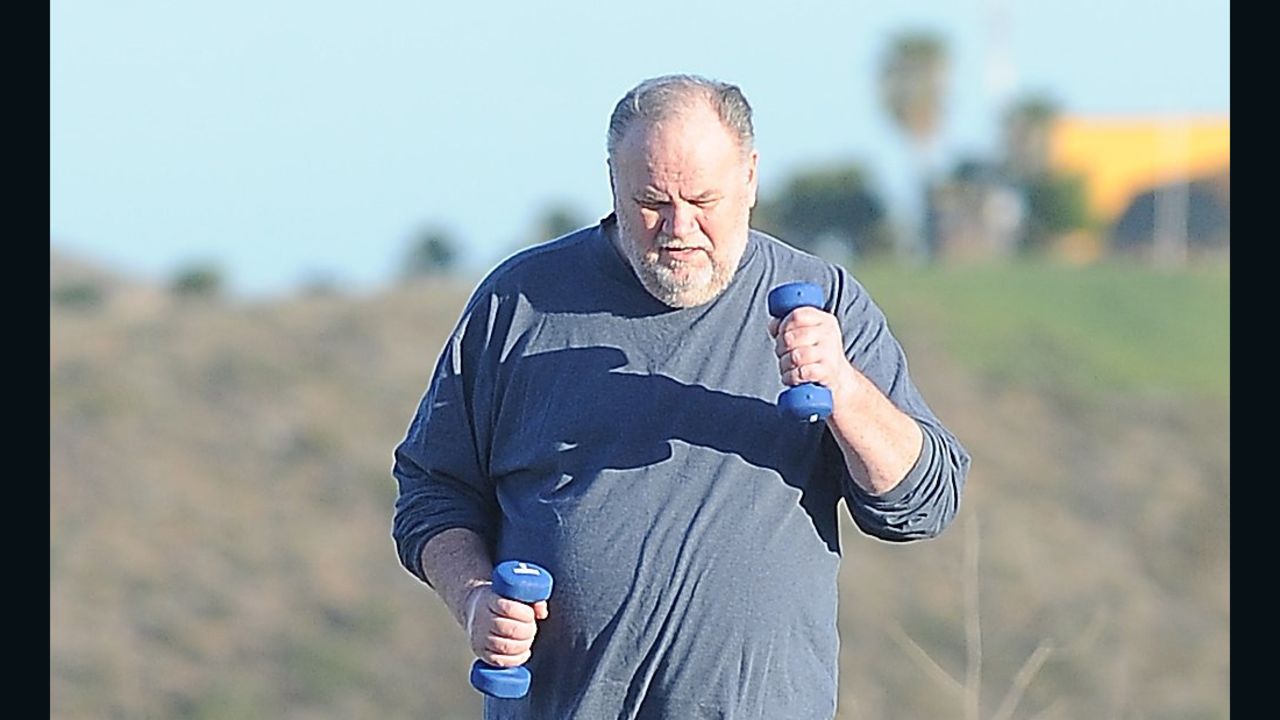
Not a tabloid character. A person. An elderly, unwell person.Thomas Markle Sr. has said the same thing, over and over, for the better part of a decade. He wants to hear from his daughter. A call. A letter. Any acknowledgment that he exists in her world as something other than a liability to be managed.
He does not sound triumphant when he says it. He sounds tired. Raw. He sounds like a man who made a bad decision in the worst possible moment and has spent every year since trying to find the language to close the distance it created. He sounds, more than anything, like a parent who knows the clock is no longer theoretical.
That is what makes this story linger. Not the drama. Not the royal backstory. But the very ordinary human situation underneath all of it: an elderly man who is unwell and estranged from his daughter, still asking for contact, still not getting it.
Almost everyone has something in their own family history that makes this land differently than a typical celebrity story. An unresolved argument. A parent who reached out and was ignored. A child who stopped calling. A door that stayed closed longer than anyone intended. Meghan and Thomas Markle Sr. are famous people playing out a situation that is, at its core, entirely ordinary. That is precisely why it is so hard to look away.
How We Got Here.
EIGHT YEARS OF PUBLIC SILENCE
From the wedding that didn't happen to the amputation nobody acknowledged.Meghan and Harry begin dating. We investigated the full origin story, back to 2014 — what emerges is a portrait of someone who builds her world carefully and moves deliberately. Thomas Markle Sr. is part of her life during this period. A visible one. He reportedly speaks warmly about his daughter, expresses pride, and is included in the wedding planning.
In the lead-up to the royal wedding, Thomas Markle Sr. poses for staged paparazzi photos. This is a genuinely bad decision — embarrassing, clumsy, badly timed, and undeniably his fault. He apologises. Multiple times. The wedding proceeds without him. He watches it from a hospital room in Mexico, having suffered a heart attack in the preceding days. Their relationship does not survive the aftermath. Whatever the internal logic of that decision, it is the one the public has never been fully explained.
Thomas Markle begins speaking to the media — tabloids, television, anyone who will listen. This is widely criticised, and not without reason. A man publicly airing grievances about his daughter is not a good look. But beneath the tabloid noise is a consistent, desperate message: he wants to hear from her. He apologises. He asks for a call. He keeps asking.
Harry and Meghan step back from royal life, citing — among other things — the mental health toll of media scrutiny and institutional pressure. Privacy becomes the stated guiding principle. Six years on, we assessed what that actually built and what it cost.
Harry's memoir Spare covers a great deal of family ground. We matched six of the public claims against the available record. Thomas Markle Sr. is mentioned. He is not treated generously. He still has not heard from his daughter, as far as public knowledge extends.
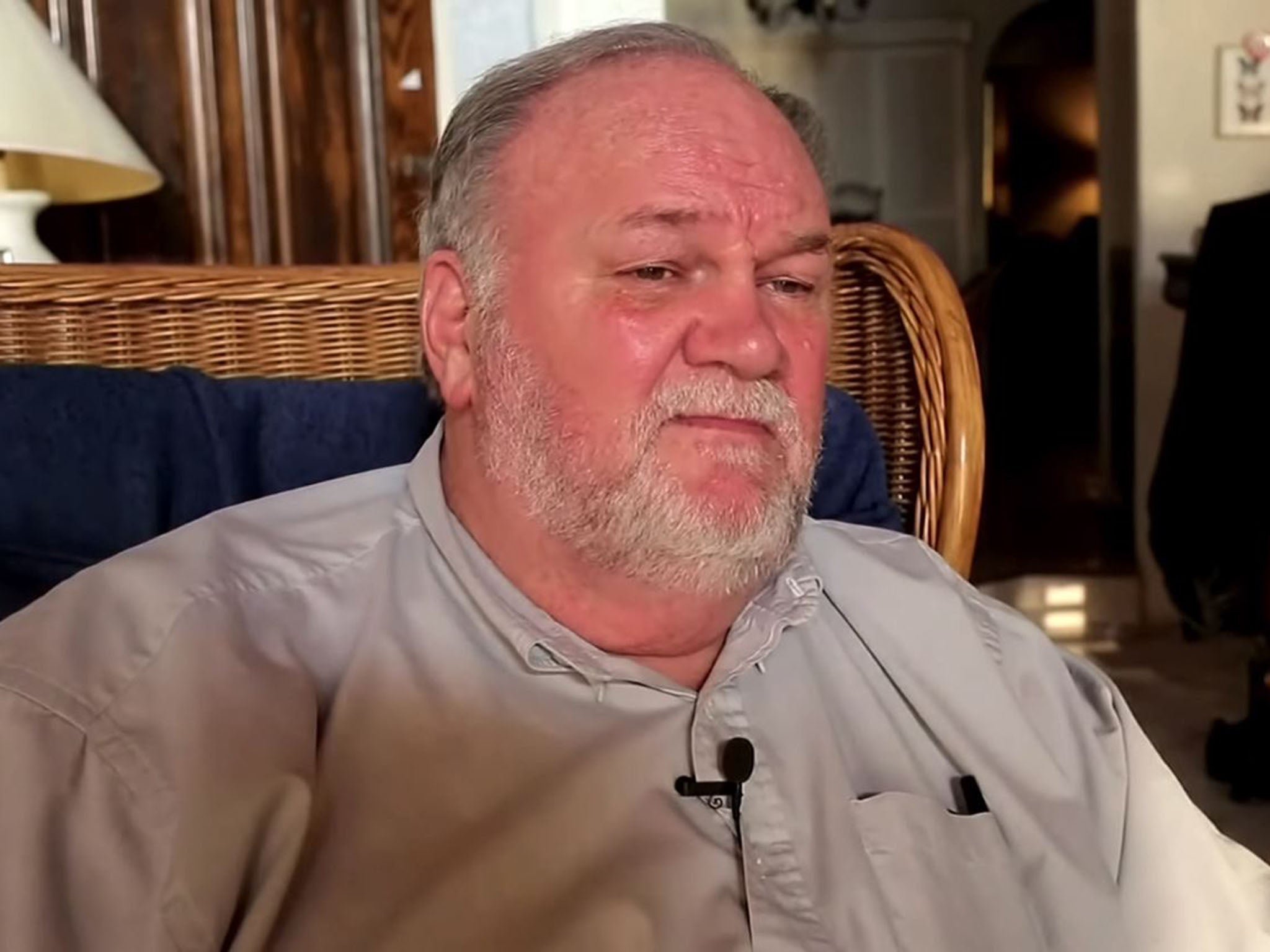
Thomas Markle Sr. undergoes a serious leg amputation following medical complications. He is elderly. He is physically diminished. He is still estranged. Reports suggest Meghan may have reached out privately. Other reports cast doubt. Clarity, as usual in this story, is scarce. What is not scarce is the image: a father in a hospital bed, a famous daughter building a lifestyle brand, and a silence that has lasted the better part of a decade.
The Sussex Australia tour arrives. Meghan visits a children's hospital in Melbourne. She appears warm, engaged, compassionate with strangers. The As Ever brand continues to expand. The gap between the public warmth and the private silence toward her father grows harder to explain away.
So Unsettling.
THE FIVE REASONS THIS WON'T GO AWAY
None of them are about tabloids. All of them are about the brand.1. Compassion as a brand, distance as a habit
Meghan's public identity is built on empathy, healing, connection, and emotional awareness. These are not cynical choices — she speaks about them with evident conviction. But that is exactly why the Thomas Markle situation lands so hard. No one expects perfection from another human being. They do, however, expect some working relationship between the message and the behaviour. When the gap between what someone preaches and what they practice becomes wide enough, the preaching starts to feel like performance. That is where many observers have arrived after six years of watching.
2. When illness changes the moral math
Estrangements can feel morally clean when both parties are relatively healthy and the original wound is still fresh. They feel considerably less clean when one party is elderly, physically diminished, and running out of time. The amputation changed the emotional calculus for a lot of people who had previously been neutral or even sympathetic to Meghan's position. The argument "I have my reasons and they are private" is harder to sustain when the other person is in a hospital bed asking for their daughter. The old wound still exists. But it no longer exists without context.
3. The punishment-versus-crime problem
Thomas Markle Sr. made a genuinely embarrassing public mistake. He staged paparazzi photos during the lead-up to one of the most scrutinised events of his daughter's life. That was wrong. He has acknowledged it was wrong, repeatedly. But here is the comparison that critics keep making: Meghan has publicly forgiven — or at least declined to permanently condemn — celebrities, institutions, and public figures who did far worse. The British tabloid press was given more narrative generosity in Spare than her father. That inconsistency is what keeps the story alive. The punishment has never appeared to fit the crime, and no explanation of what the crime actually was has ever been offered publicly.
4. The selective visibility problem
Meghan has publicly claimed to be one of the most trolled people on earth. She has granted interviews, produced documentaries, written through her husband's memoir, and built a lifestyle brand on the language of vulnerability. She has been extraordinarily visible about her own pain. Yet she has maintained complete silence about her father's — a man who is publicly, plainly suffering and is not hiding it. The contrast between these two forms of visibility is something observers find very difficult to reconcile. We mapped this pattern across the full arc of her public image here.
5. Why people project onto this story
Because almost everyone has a version of it. A difficult parent. A complicated child. An unfinished fight that ran out of time. An apology that came too late or never came at all. A call that should have been made years ago and wasn't. Meghan and Thomas Markle Sr. are famous, but the situation they are enacting is not. It is ordinary in the most painful sense of that word. That is why it survives every news cycle, every new storyline, every attempt to redirect attention. It keeps touching something real. The "it's me, hi, I'm the problem" framework that the public has now acquired vocabulary for applies here too.

Meghan has spoken publicly about: the royal family's impact on her mental health, racist media coverage, her miscarriage, her children's safety, her dogs, her strawberry jam nobody bought, her podcast nobody finished, her documentary, her husband's family, her husband's childhood, institutional failure, women's empowerment, and the importance of authentic connection.
She has not spoken publicly about: her father's leg amputation, his repeated requests to speak, or whether she has any intention of repairing the relationship before it is no longer possible to do so.
THE COMPASSION IS BRANDED. THE DISTANCE IS STRUCTURAL. THE FATHER IS STILL ASKING. THESE THREE THINGS KEEP BEING TRUE AT THE SAME TIME AND NOBODY IS EXPLAINING HOW THAT WORKS.

And What It Made Worse.
COMPASSION FOR STRANGERS. SILENCE FOR FAMILY.
The juxtaposition the public made themselves.The 2026 Australia tour was, officially, a blend of philanthropic work and broader commercial objectives. The Melbourne children's hospital visit was widely covered and widely criticised — the optics of sick children being brought into a packed, noisy foyer for a photo opportunity did not land the way anyone intended.
But even setting the hospital optics aside, there was something about the broader Australia tour that sharpened the Thomas Markle contradiction. Here was Meghan, on the other side of the world, visiting strangers in hospitals, attending memorials, appearing at wellness retreats, performing compassion publicly and professionally for paying audiences. And somewhere in California, her father — an elderly man who has lost a leg and kept asking for a phone call — remains unanswered.
The juxtaposition did not require commentary. The public made it themselves. We have written about the juxtaposition problem separately — about what happens when two public images are placed next to each other by the calendar without anyone asking. The Thomas Markle story is the domestic version of the same problem. Compassion for strangers photographed at scale, silence for the man asking from a hospital bed. The gap does not require an essay. It states itself.
Actually Says.
THE BRAND PROBLEM NO CAMPAIGN CAN FIX
This is the one story the PR machine cannot outlast.Silence is never neutral. It makes a statement. It takes a position. In this case, a sustained, decade-long silence toward a father who has been publicly, repeatedly, and increasingly desperately asking for contact has said several things very clearly — even if none of them were intended as statements.
It has said: the original decision is permanent. It has said: no amount of public appeal will change it. It has said: the compassion that is being sold has a boundary, and Thomas Markle Sr. is on the wrong side of it.
Meghan does not owe the public an explanation. That is genuinely true. But she has chosen — through years of documentaries, interviews, memoirs, brand campaigns, and public appearances — to make her inner life a product. When you package your pain and sell it, people feel entitled to notice the pain you have chosen not to package. That is the trade-off of the life she has constructed. We wrote about how that dynamic plays out in public appearances here.
We have now spent six years watching what Meghan built after the exit and asking whether it amounts to what was promised. The brand is visible, profitable, and aesthetically coherent. The products arrive beautifully packaged. The messaging is warm and consistent.
But a brand built on authenticity has a particular vulnerability: it requires the public to believe that the person behind it is who they say they are. And the Thomas Markle story — more than the chartreuse dresses, more than the claims that don't survive contact with the record, more than the finances that took two years to file — is the one piece of the picture that no amount of press strategy has managed to explain away.
Because it is not about royal politics. It is not about the institution or the media or tabloid culture. It is about a man who is her father, who made a mistake, who apologised for it, who has been waiting for years, and who is running out of time.
That is a story the public understands completely. And they do not need a press release to form an opinion about it.
Not the paparazzi photos. Not the tabloids. Not even the decade of silence itself. It is the specific combination: a public identity built on healing, connection, and compassion, maintained at professional scale, while a man who calls himself her father asks, from a hospital bed, for any sign that he still exists in her life. That is the contradiction the brand has never been able to outlast.
The World Keeps Watching Because the Ending Still Feels Avoidable.
That is the part people cannot let go of. Not just the estrangement itself, but the terrible, persistent suspicion that one quiet act of grace — one call, one letter, one private acknowledgment that forgiveness is possible — could change the shape of this story before time makes the choice for everyone.
The world is not asking Meghan to perform reconciliation. It is not asking her to invite her father to a photoshoot or issue a statement or produce a documentary about healing. It is asking her to remember that some silences, once they become permanent, cannot be undone. And that a brand built on compassion has no more important audience than the people who are still waiting to feel it.
The clock is not theoretical. It never was. And the thing about estrangements that run out of time is that they do not become easier to explain. They become impossible to.