THE
BOOKSHELF.
Reads worth your time — and honest reviews of a few that weren't.
THE DIVORCE
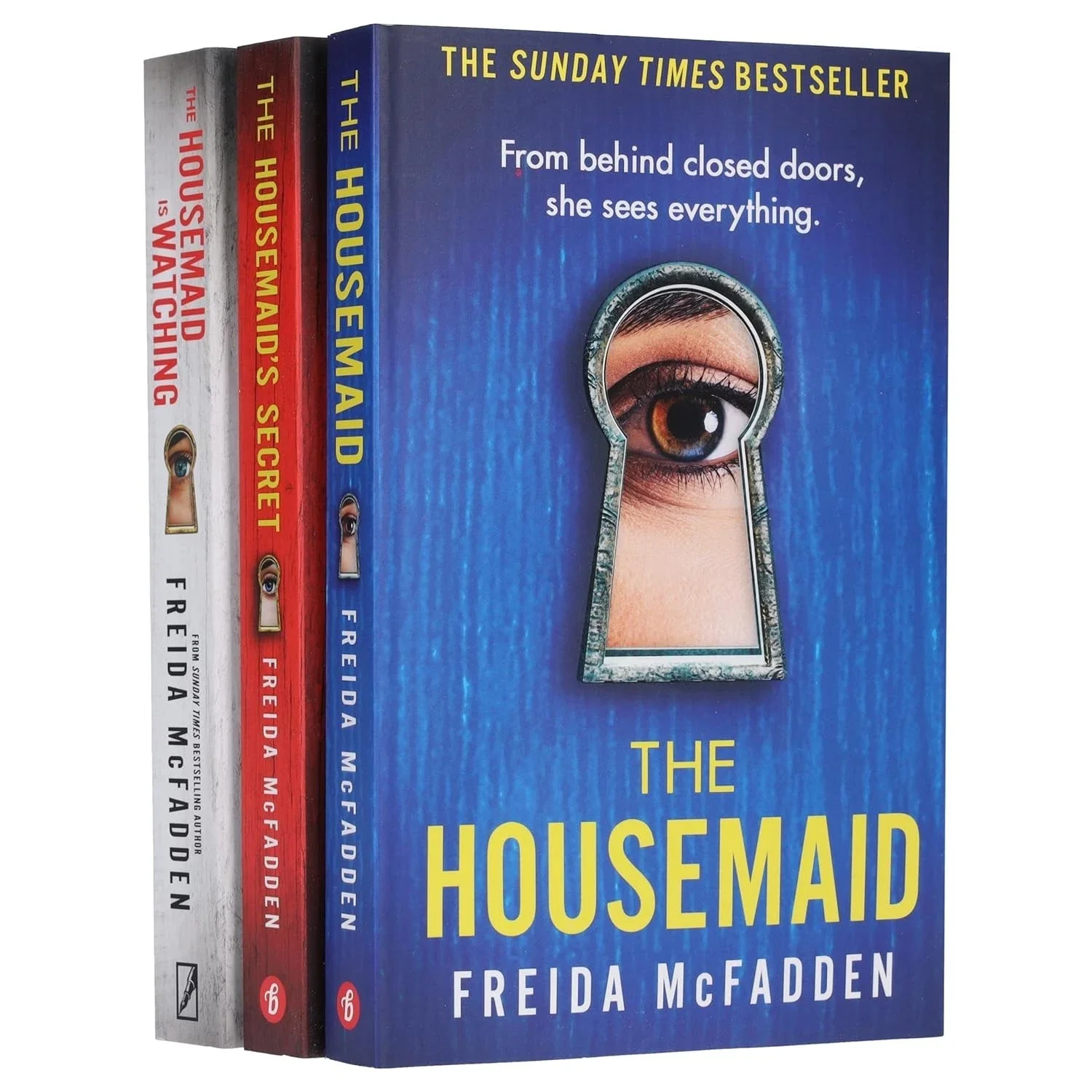
The Housemaid's Second Act Is a Snore. Here's Why I'm Still Showing Up for The Divorce
By Sara Alba · Bookshelf
Let me be honest with you — because that is, quite literally, what this blog exists for.
The Housemaid's Secret, the second book in Freida McFadden's Housemaid series, is a disappointment. Not a catastrophe. Not unreadable. Just a slow, creeping snore of a book that I have put down three times now and cannot bring myself to finish. And coming from someone who got completely, embarrassingly addicted to the first one, that hurts a little.
How I Got Here: The Freida McFadden Pipeline
I came to Freida McFadden the way most people do — reluctantly, then compulsively, then at 2am lying to myself about "just one more chapter." I've already written about why Freida McFadden reads like a drug you can take in one sitting and I stand by every word. The pacing is ruthless. The chapters are short. The unreliable narrator energy is dialled up to eleven. And the twists land in a way that makes you feel genuinely stupid for not seeing them coming — which is a gift, honestly.
The Housemaid did all of that. It earned my loyalty. Which is exactly why The Housemaid's Secret feels like such a betrayal.
What Went Wrong With The Second Book
The first book worked because Millie was a character you couldn't fully trust, and that tension made every single page feel like a ticking clock. You were always slightly unsure of her. Always waiting for the floor to drop out. That slow creeping dread is what made it so compulsively readable.
The Housemaid's Secret tries to recreate that energy and loses it somewhere around chapter eight. The stakes feel lower. The twists feel telegraphed. The dread that made the first book so unsettling is mostly absent, replaced by something that feels vaguely... procedural.
Sydney Sweeney Is Living Rent-Free In My Head And I Resent It
Here's the other confession I need to make. I watched the movie. Or enough of it to have Sydney Sweeney permanently installed in my brain as Millie, and the actor who played Enzo looking — I'm so sorry — deeply unserious. And now I cannot read a single page without seeing their faces, which completely destroys the whole point of an unreliable narrator.
Half the tension of The Housemaid comes from not knowing exactly what Millie looks like in your own imagination. Once Hollywood casts someone, that's over. Your imagination has left the chat. The movie made $133 million at the box office, a sequel is already confirmed, and I am personally being haunted by the casting every time I try to engage with the sequel. This is not Freida's fault. This is cinema's fault. I am choosing to be annoyed at cinema.
Is She Writing Too Fast?
There is also a larger question lurking underneath all of this. Freida McFadden currently has six books scheduled for 2026 alone. Six. I respect the hustle enormously. I am also a little suspicious of it. When you're writing at that pace, something eventually gives — and with The Housemaid's Secret, I think what gave was the tension. The thing that made the first book feel dangerous and alive.
It is worth noting that McFadden had three of the top twenty bestselling books of 2025, which is genuinely staggering. She is clearly doing something right. But quantity and quality are not always the same thing, and right now I am on the wrong side of that equation with this particular book.
The Movie vs The Book: Does It Even Matter?
If you're trying to decide whether to read the book or watch the movie, I reviewed The Housemaid book vs the movie and my honest verdict is: read the book first, always. The movie is fine. The book is better. But if you've already seen the movie, prepare to have your imagination completely hijacked. There is no un-seeing Sydney Sweeney in a French maid situation. I have tried.
Why I'm Still Pre-Ordering The Divorce
Here's the thing about being disappointed by a second book — it doesn't always mean you're done with the author. Sometimes it just means you're paying attention.
The Divorce drops May 26, 2026, and the premise is exactly the kind of unhinged I need in my life right now. Naomi is living what looks like the perfect life — until her husband kicks her out, hires the best divorce lawyers in the city, drains their accounts, and immediately takes up with someone twenty years younger. Instead of accepting defeat, Naomi fixates. On the girlfriend. And then things get progressively darker in ways that sound both deeply unhealthy and extremely my business.
That is the pitch. It works on me every single time.
It has the obsession element that made the original Housemaid so electric. It has a female protagonist who is clearly about to do something unhinged and arguably justified. And crucially — it is a standalone. No second book waiting to disappoint me. Just one contained, messy, domestic spiral from beginning to end.
I'm pre-ordering it. I am not even slightly embarrassed.
The Honest Verdict: What You Should Actually Read
If you haven't read The Housemaid yet — go read it right now. It is genuinely good. It is the kind of book that reminds you why you got into thrillers in the first place. Sharp, propulsive, and deeply satisfying in the way that only a well-executed twist can be.
Skip The Housemaid's Secret unless you are a completionist who genuinely cannot function without closure. Life is short. Your reading list is longer. There are better books waiting — like Yellowface by R.F. Kuang, which will make you feel things in a completely different direction, or Severance by Ling Ma, which will ruin you quietly and thoroughly.
Mark May 26th in your calendar. The Divorce is either going to prove that Freida McFadden still has it, or confirm that she's writing faster than she should be. Either outcome is interesting. Either way I'll be reading it in one sitting and reporting back on The Bookshelf.
That's a promise. And unlike Millie, I keep mine.
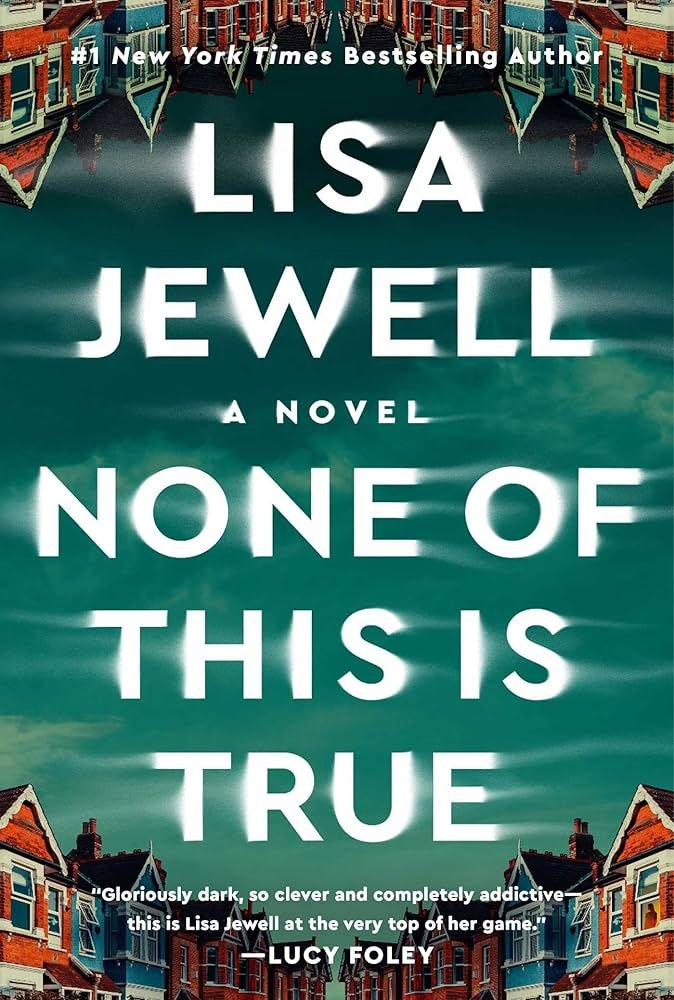
I Am Not Done None of This Is True and I Have Thoughts That Cannot Wait

Disclaimer: This is not a review. I have not finished this book. I am writing this from the middle of it, slightly unhinged, with a cold coffee going warm beside me. No spoilers for anything I haven't reached yet — but also, do not come to me with the ending. I am not ready. I will never be ready.
Lisa Jewell wrote a slow burn so slow it takes half the book to realise you're already on fire. A mid-read dispatch from someone who should be sleeping.
There is a specific kind of book that does something quietly sinister in its opening chapters. It does not alarm you. It does not grab you by the collar and announce itself. It simply pulls up a chair, sits across from you, and begins talking in a very normal, pleasant voice while your brain slowly registers that something in the room has changed and you cannot identify what it is or when it happened.
None of This Is True by Lisa Jewell is that book.
I am not done it. I want to be clear about that upfront, both as a disclaimer and as an explanation for why I am writing this at all. I cannot wait until I finish it. I have things to say right now, in this moment, while the tension is still sitting in my chest like a stone I accidentally swallowed. This is less a review and more a dispatch from the middle of a psychological thriller that has been slowly, methodically, and rather brilliantly dismantling my sense of who to trust for the last two hundred pages.
We will do a proper review when I am done. Assuming I survive.
What This Book Is (The Setup, No Spoilers)
Two women. Same birthday. Same pub. Same night.
Alix Summer is a true crime podcaster — successful, polished, the kind of woman whose life looks assembled rather than lived in. Josie Fair is none of those things. She is quiet, unremarkable, slightly off in a way you cannot immediately name. She tells Alix she has a story to tell. She tells Alix she is on the cusp of great changes. She tells Alix she would be the perfect subject for her next podcast series.
Alix, who is a journalist and therefore constitutionally incapable of leaving a story alone, agrees.
This is, as you may have already gathered from the title of the book, a decision that does not go well.
Josie's life appears to be strange and complicated, and although Alix finds her unsettling, she can't quite resist the temptation to keep making the podcast. Slowly she starts to realise that Josie has been hiding some very dark secrets, and before she knows it, Josie has inveigled her way into Alix's life — and into her home.
That last part — into her home — is where I currently am, and I need you to understand that every page of it is deeply uncomfortable in a way that is completely deliberate and completely effective. Lisa Jewell knows exactly what she is doing. She is doing it to us on purpose. We are not victims. We are willing participants. This is somehow worse.
The Slow Burn, Explained for People Who Almost Put It Down in Chapter Three
I understand the impulse. The first quarter of this book is not fast. It is not packed with incident. It is Alix and Josie having conversations, Josie's life being gradually revealed in pieces, and a low-grade sense of wrongness that hums underneath every scene without ever resolving into anything you can point at.
This is the whole mechanism of the book and it is brilliant and I did not fully appreciate it until I was deep enough in to see what Jewell was building. The beginning builds character and atmosphere, but the pace accelerates dramatically in the second half, becoming unputdownable. The shift from a slow-burn character study to a full-throttle thriller is seamless.
What she is doing in those early chapters is training you. She is teaching you how Josie moves — the specific texture of her, the way she presents herself, the gap between what she says and what sits just beneath it. She is building your instincts about this woman so that when those instincts are confirmed, and then subverted, and then confirmed again in a different way, you feel it in your body and not just your brain.
It starts slow but the sinister feeling tingles beneath your neck, warning you bad things are about to come — and sooner, all hell breaks loose. It's like listening to a concerto that slowly raises its tempo, and as you reach the ending, you hear the crescendo.
I am not at the crescendo yet. I am at the part where the tempo is unmistakably rising and I keep reading one more chapter telling myself it's fine and it is absolutely not fine.
On Josie Fair, Who Is a Lot
Josie is the kind of character who would register immediately as a red flag in real life and whom you would clock within minutes of meeting. She is too eager. Too interested. Too available. She mirrors Alix's energy back at her with just enough delay that it reads as admiration rather than calculation — and it is only because you are reading a psychological thriller that you see it for what it is. In real life, you might not.
That is the uncomfortable truth at the centre of this book. The reason Josie gets as far as she does is not because Alix is naive. It is because Josie is very good at this — and because the qualities that make Alix good at her job (curiosity, openness, the inability to leave a story unfinished) are also the qualities that make her vulnerable to someone who knows how to exploit them.
If you have ever read anything we've written about how emotional predators actually operate — the mirroring, the gradual boundary erosion, the way they make you feel responsible for their wellbeing before you've noticed the shift — Josie Fair is a case study. She is fiction, but she is not invented. People like this exist. They are just rarely this well-written.
The Podcast Structure Is Doing A Lot of Heavy Lifting
Jewell structures the book as a kind of true crime documentary — alternating between present-tense narrative and interview excerpts from the podcast, interspersed with witness accounts and outside perspectives that slowly fill in what the main narrative withholds. It is a format that works on two levels simultaneously: it tells you something is going to go very wrong (because why else would there be a documentary) while keeping you in the dark about exactly what and exactly how.
Jewell intentionally wants readers to feel unmoored, especially considering the title of the book, because it's preparing us for some major twists or lies to be revealed, so we are constantly on edge.
The title is doing enormous work. None of This Is True is both a statement about the story and an instruction to the reader — do not get comfortable with what you think you know, because the ground is being moved under you at all times and you will only notice it has shifted after the fact. I have noticed it shifting. I am still reading. I have been emotionally outwitted by a Lisa Jewell novel and I am not even embarrassed about it.
This sits neatly alongside our The Housemaid comparison piece as further evidence that the domestic thriller genre, when done properly, is doing something genuinely interesting about women, power, and the particular violence of being underestimated. Josie is underestimated. Alix underestimates her. The reader underestimates her. That is the engine of the whole thing.
Where I Am and What I Need You to Know
I am close to the end. I can feel it in the way the chapters have shortened and the sentences have gotten tighter and Jewell is rationing information the way you ration the last of something good. Every answer she gives me opens two more questions. Every scene I think I understand reveals a layer I missed the first time.
I do not know how this ends. I have theories. I am not sharing them here because putting them in writing makes them feel too real and I am not ready to be wrong in public.
What I can tell you is this: if you are a person who reads thrillers and you have not read this one, you are doing yourself a disservice. If you started it and found the opening slow, go back. The slow is the point. The slow is the whole setup for everything that follows. It doesn't have quite the same wild twists and turns that some mystery-suspense novels do, but it definitely has a few good tricks up its sleeve — and mostly you will find yourself riveted by the story the whole way through.
And if you have read it and you know how it ends: say nothing. I am almost there. I will be back with a full review, a dramatic conclusion, and whatever emotional wreckage Lisa Jewell has left me in.
For now I am going to go finish this book instead of writing about it.
— BrewtifulLiving.com | Brutal truths, Brewtifully packaged.
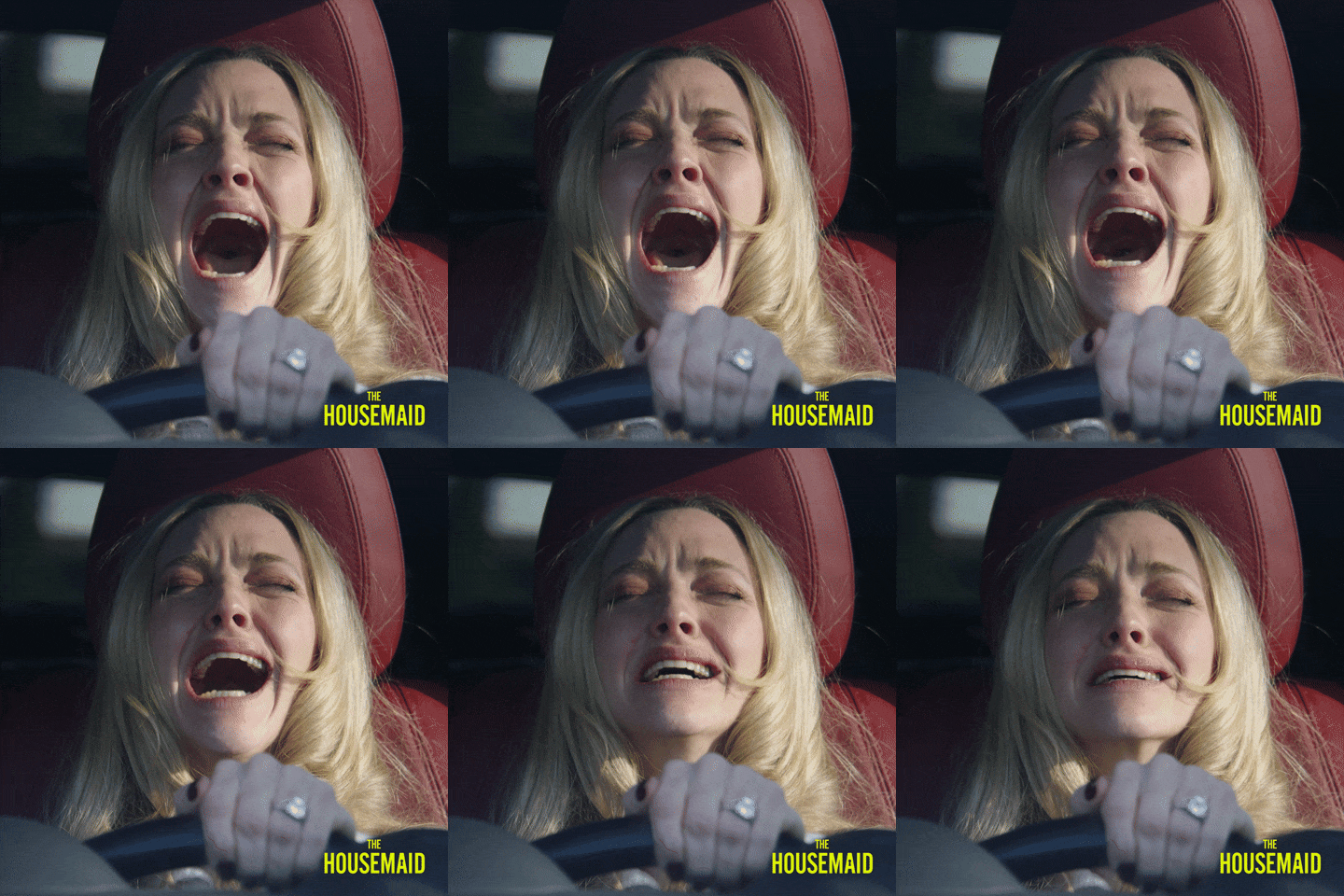
The Housemaid Book vs Movie: Same Story, Different Manipulation
There are two ways to experience The Housemaid.
You can read the book and feel your brain quietly rearranging itself like furniture in a room you didn’t realize was haunted.
Or you can watch the movie and feel that same room lit up with expensive lighting, polished dialogue, and a cast so gorgeous you almost forget someone is about to get emotionally eviscerated.
Both versions tell the same story. A woman with a past takes a job in a rich family’s home. The house is beautiful. The wife is erratic. The husband is charming. The rules are weird. The bedroom door locks from the outside.
And slowly, the job stops being a job and starts being a psychological trap with designer countertops.
Freida McFadden’s The Housemaid is one of those thrillers people don’t recommend. They shove it at you like contraband. It’s bingeable, brutal, and engineered to make you say “just one more chapter” until you look up and it’s 2 a.m. and your standards for men have dropped another inch out of pure exhaustion.
The movie adaptation, directed by Paul Feig and starring Sydney Sweeney and Amanda Seyfried, takes the same ingredients and cooks them differently. It’s slicker. It’s more cinematic. It’s also less claustrophobic, because movies can’t trap you in someone’s skull the way a book can.
Which is why the comparison is fascinating.
Because the biggest difference between the book and the movie isn’t what happens.
It’s who gets to control the story.
The Housemaid: The Plot (No Spoilers… Yet)
Millie is broke, desperate, and carrying a past she can’t afford to explain. When she lands a live-in housekeeping job for the Winchester family, it feels like a reset. Nina Winchester is wealthy, unpredictable, and constantly changing the rules. Andrew Winchester is calm, handsome, and the kind of man who seems like he’s been professionally trained to make women feel safe.
The house is stunning. The pay is solid. The arrangement seems simple.
Then Millie sees the bedroom she’ll be staying in.
It’s tiny. It’s isolated. And the door locks from the outside.
This is the kind of detail that doesn’t scream danger right away. It whispers it. It says, “It’s probably fine,” while your nervous system is already packing its bags.
McFadden understands something basic about fear: you don’t need monsters. You need discomfort that’s easy to excuse.
And The Housemaid is built entirely on that.
The Book vs The Movie: Why the Same Story Feels So Different
When people compare books and movies, they usually focus on surface-level differences. Scenes removed, lines changed, characters combined.
But The Housemaid is a better example of something deeper.
The book and the movie are the same story told through two completely different kinds of manipulation.
The novel manipulates you through intimacy.
The film manipulates you through performance.
And those are not the same weapon.
The Book Traps You Inside Millie’s Survival Brain
The book works because you’re stuck in Millie’s head. Not just her thoughts, but her logic. Her justifications. Her internal bargaining.
She is constantly calculating risk.
She’s reading tone, body language, social class cues, power shifts. She’s trying to survive, not just financially, but socially. She’s aware that she is the kind of woman society likes to label as disposable. The kind of woman people assume is lying before she even opens her mouth.
So when Nina does something bizarre or cruel, Millie doesn’t respond the way a normal person would. She responds the way a person with no options responds.
She shrinks.
She swallows it.
She makes herself smaller to keep the job.
That’s the real tension of the book. Not the mystery. Not the twist.
The tension is watching a woman rationalize her own discomfort because she has no other choice.
And you, the reader, end up rationalizing it too.
Because you’re inside the same cage.
The Movie Turns Millie Into Someone You Watch, Not Someone You Become
In the film, you’re not inside Millie. You’re beside her.
That sounds like a small change, but it’s everything.
In a book, you can spend pages inside someone’s dread. You can sit with their spiraling thoughts. You can watch their mind make excuses and then watch those excuses collapse.
In a movie, dread has to be externalized. It has to be shown.
So the film uses:
facial expressions
awkward pauses
music cues
framing
lighting
physical distance between characters
Instead of living inside Millie’s fear, you’re watching it play out in a room.
And that changes the entire emotional experience.
The book feels like being trapped in a job you can’t quit.
The movie feels like watching someone else trapped in a job you’d quit immediately.
That gap matters.
The Pacing: Chapter Cliffhangers vs Scene Architecture
Freida McFadden writes like she’s trying to ruin your sleep schedule.
Her chapters are short. They end on micro-cliffhangers. She constantly gives you information and then immediately yanks it back, forcing your brain to chase the next piece.
It’s addictive on purpose.
The structure is basically:
Something unsettling happens.
Millie tries to explain it away.
A new detail makes it worse.
Chapter ends.
Your self-control collapses.
This is why her books feel “juicy.” They’re engineered like reality TV. You’re always one scene away from the next emotional escalation.
Movies can’t do that. A scene is heavier than a chapter. You can’t cut away every thirty seconds and still have a coherent film.
So the movie has to compress tension. It has to build longer arcs of discomfort instead of quick spikes.
This is where adaptations often lose something.
McFadden’s writing style is pure momentum. The movie can replicate the plot, but it can’t replicate that sensation of being dragged forward.
It’s like the difference between scrolling and reading a printed magazine. Same content, different chemistry.
Nina Winchester: The Book Makes Her a Moving Target
In the book, Nina is a masterclass in unstable power.
One moment she’s sweet. The next she’s cruel. Then she’s apologetic. Then she’s vindictive. She oscillates so fast that Millie can’t get her footing.
This isn’t just character writing. It’s psychological warfare.
McFadden writes Nina like someone who understands how to keep another woman off balance. She’s not simply “mean.” She’s strategic in a way that feels terrifyingly realistic.
Nina doesn’t just want control. She wants Millie confused.
And confusion is a powerful form of captivity.
Because if you can’t trust your interpretation of reality, you can’t advocate for yourself.
The Movie Makes Nina More Readable, Even When It Tries Not To
The film has Amanda Seyfried, which is both a gift and a problem.
She’s too charismatic. Too intelligent-looking. Too controlled, even when she’s playing unhinged.
That means the movie has to work harder to convince the audience that Nina is truly unpredictable. Because the moment you cast someone with that kind of composed presence, viewers instinctively assume she knows what she’s doing.
In the book, Nina can feel like chaos.
In the film, Nina feels like performance.
And that subtly shifts the tone.
Instead of “Is Nina mentally unstable?” the question becomes “What is Nina hiding?”
Which is a completely different kind of suspense.
Andrew Winchester: The Book Uses Him as a Fantasy Trap
Andrew is the perfect example of McFadden’s ability to weaponize charm.
In the book, he’s written like a soft place to land. He’s calm. He’s handsome. He seems reasonable. He seems like the only adult in the room.
He is exactly the kind of man women are trained to trust. The kind of man who looks like stability in a world full of noise.
And that is why he’s dangerous.
Because McFadden understands that the most effective predators don’t act like villains. They act like relief.
They act like the person you want to believe in.
The Movie Makes Andrew Hotter, Which Makes Everything Worse
In the film, Andrew’s appeal is amplified because cinema is shallow by design. It’s visual. It’s immediate. It’s based on vibes.
So if Andrew is cast and styled as “the handsome, patient husband dealing with a difficult wife,” the audience feels that archetype in their bones.
Which makes the story hit differently.
In the book, Andrew is suspicious because Millie’s narration keeps you alert.
In the film, Andrew is suspicious because you’ve seen enough thrillers to know no man is ever that calm unless he’s hiding something or has murdered someone in a previous scene.
It becomes meta.
The movie doesn’t just ask you to watch Andrew.
It asks you to interrogate your own attraction to him.
And honestly, that’s kind of brilliant.
The House Itself: In the Book, It’s a Cage. In the Movie, It’s a Character.
In McFadden’s novel, the house is described in a way that feels like intimidation.
It’s clean. Vast. Wealthy. Quiet.
The kind of place where your footsteps sound too loud and your presence feels like a stain.
Millie isn’t just living in a rich home.
She’s living inside someone else’s power.
The locked bedroom door is not just a creepy detail. It’s a metaphor. It’s the story’s entire thesis in one object.
The house says: You are here because we allow you to be.
The movie leans into the visuals of that. It uses lighting and framing to make the house feel like a labyrinth. Long hallways. Closed doors. Spaces that swallow people.
It’s gorgeous, but it also feels colder.
The film understands that wealth is not comforting when you’re the one cleaning it.
The Biggest Difference: The Book Recruits You as an Accomplice
This is where McFadden’s writing gets nasty, in the best way.
In the book, you don’t just observe Millie’s choices.
You start agreeing with them.
You start thinking like her.
You start rationalizing red flags because you understand her desperation. You understand her hunger. You understand what it feels like to be one bad decision away from homelessness.
So when she stays, you don’t scream at her.
You stay too.
And that’s what makes the twist hit so hard.
Because McFadden doesn’t just trick you with plot.
She tricks you with empathy.
She manipulates your ability to care about someone.
The movie can’t do that as effectively, because movies are inherently less intimate. You can’t sit inside someone’s inner justifications for hours. You get glimpses. You get moments.
But you don’t get full immersion.
So the film shifts the suspense outward.
Instead of “What is Millie thinking?” the tension becomes “What is everyone doing?”
The audience becomes a detective, not a hostage.
And that changes the experience completely.
Spoiler Zone: Book vs Movie Differences That Actually Matter
If you haven’t read the book or watched the movie and you want to enjoy the twists blind, stop here.
Go experience the chaos first.
Then come back and let’s dissect the wreckage.
The Twist Structure: Books Can Hide Information Better
One of McFadden’s strongest skills is controlling what you know and when you know it.
In a novel, she can simply choose not to tell you something. She can hide it behind narration, behind pacing, behind perspective. You only know what Millie knows, and Millie is not always reliable.
That’s the key.
In a film, hiding information is harder. Viewers can see details Millie doesn’t notice. The camera can accidentally reveal clues. Even the way a room is staged can hint at the truth.
So the movie has to be more deliberate.
It can’t rely on omission alone.
It has to rely on distraction.
That means the film tends to:
rearrange the order of reveals
introduce new visual misdirects
compress certain scenes so the audience doesn’t have time to overanalyze
The book’s twist feels like betrayal.
The movie’s twist feels like a reveal.
Same outcome, different emotional punch.
Millie’s Past: The Book Makes It a Slow-Burning Threat
In the novel, Millie’s backstory is a shadow hanging over everything. You feel it in her choices. Her fear. Her hypervigilance.
Her past isn’t just a plot point. It’s a constant presence.
And McFadden uses that to build dread.
Millie doesn’t just feel vulnerable because she’s broke.
She feels vulnerable because she’s already been marked by something society doesn’t forgive easily.
The movie has less time to do that. It has to communicate her past through quick exposition, hints, and performance.
Sydney Sweeney does a good job with the quiet panic, the “I am trying to be normal” tension, but the movie inevitably makes her backstory feel more like a narrative device than a lived burden.
The book makes you feel the weight of Millie’s history.
The movie makes you understand it.
Those are not the same thing.
Nina’s Behavior: The Book Makes You Hate Her First
In the novel, Nina is written to provoke a visceral reaction.
You are meant to feel the injustice of her cruelty. You are meant to be furious on Millie’s behalf. You are meant to think, “This woman is evil.”
And then McFadden does what she always does.
She flips the emotional script and forces you to revisit every assumption you made.
This is part of why the book is so satisfying. It punishes the reader’s instinct to label women as either victims or villains. It shows how easily we fall into that binary.
The movie can’t sustain hatred as long. It has to pace the audience’s emotional journey differently. It can’t risk making Nina irredeemable too early because then the reveal feels implausible.
So the film’s Nina is still cruel, but she’s more layered from the beginning. There are moments of vulnerability, flickers of something behind the mask.
It’s more balanced.
It’s also less vicious.
And that means the payoff feels different.
The book makes you feel guilty for misjudging her.
The movie makes you feel like you were supposed to see it coming.
The Power Dynamics: The Book Is About Class Warfare in a Pretty Dress
This is the part people don’t talk about enough.
The Housemaid is not just a thriller. It’s a story about economic vulnerability and social hierarchy.
Millie is not trapped because she’s naive.
She’s trapped because she is poor.
Because she has a record.
Because she is one bad day away from losing everything.
The Winchester house is a physical manifestation of that imbalance. It’s wealth as a weapon. It’s comfort as control.
In the book, this theme is sharper because you live inside Millie’s humiliation. The little moments matter: being watched while cleaning, being spoken to like a child, being treated as invisible until someone needs something.
The movie shows this, but it’s inevitably softened by the glamour of the setting and the charisma of the cast.
The house is still intimidating, but it’s also beautiful.
And beauty has a way of dulling horror.
The book makes the mansion feel like a prison.
The movie makes it feel like a set.
The Bedroom Door: In the Book It’s Psychological Torture. In the Movie It’s a Horror Prop.
The locked bedroom door is one of the most effective details in the entire story.
In the novel, it’s not just creepy. It’s dehumanizing.
It tells Millie, every night, that she is not trusted. That she is not safe. That her freedom is conditional.
It’s the kind of violation that doesn’t leave bruises but still changes the way you sleep.
The book lets you sit with that.
The movie uses it as a visual symbol, a horror element. It’s still unsettling, but it functions differently. On screen, a locked door is a familiar trope.
In the book, it feels personal.
It feels like something that could happen to you.
And that’s why it’s more disturbing on the page.
The Ending: The Book Wants to Shock You. The Movie Wants to Satisfy You.
McFadden’s endings are designed like rollercoasters.
They’re not subtle. They’re not slow-bloom literary revelations.
They are engineered dopamine. A sudden drop. A scream. A breathless laugh.
The book’s ending feels like you’ve been played. Like you were tricked into trusting the wrong person, then tricked again for thinking you were smarter than the trick.
It’s satisfying because it’s humiliating.
The movie’s ending has to feel more conclusive. Films are expected to wrap things up with emotional closure. The audience wants catharsis, not just shock.
So the adaptation leans more into resolution.
It wants you to leave the theater feeling like the story is complete.
The book wants you to close it and stare at the wall.
Different goals. Different aftertaste.
Why Freida McFadden’s Books Are So Addictive (The Real Reasons)
People love to call McFadden’s writing “junk food fiction,” like that’s an insult.
But if you’ve ever eaten junk food while stressed, you know it’s not about taste.
It’s about chemistry.
McFadden writes thrillers the way fast food chains design menus: engineered for compulsion.
Here’s why her books are so juicy.
She Writes Like Gossip With Consequences
McFadden’s plots feel like overhearing the most scandalous conversation at a dinner party.
Except instead of someone cheating, someone might end up dead.
She understands that suspense isn’t just about danger.
It’s about secrets.
And secrets are inherently delicious.
Her books feed the reader the same feeling as gossip: curiosity, judgment, fascination, moral superiority, dread.
It’s ugly. It’s human. It works.
She Keeps the Writing Invisible
McFadden doesn’t write sentences that demand admiration.
She writes sentences that demand momentum.
Her prose is functional, clean, fast. It exists to deliver plot and emotion without slowing the reader down. There’s no lyrical detour, no indulgent description that risks breaking tension.
The writing is a vehicle.
And the destination is chaos.
She Understands Female Humiliation as Horror
This is the darkest reason her books hit.
McFadden knows that women’s fear is often social before it’s physical.
Embarrassment. Disbelief. Being called dramatic. Being dismissed. Being gaslit until you start questioning your own memory.
Millie’s terror isn’t just that she might be harmed.
It’s that she might be trapped and no one would care.
That’s what makes the story feel real.
Not the mansion.
Not the locked door.
The social dynamics.
She Builds Trust, Then Commits Emotional Fraud
McFadden’s twist writing isn’t just clever.
It’s personal.
She gets you to emotionally align with a character, to believe their perspective, to accept their assumptions, and then she pulls the rug out from under you.
And suddenly you’re not just shocked.
You feel complicit.
That’s the secret sauce.
The twist isn’t just a plot twist.
It’s a moral twist.
She Gives You Villains You Recognize
McFadden’s antagonists don’t feel like cartoon villains.
They feel like people you’ve met.
A controlling spouse who smiles too much.
A woman who weaponizes social status.
A person who pretends to be kind but uses kindness as leverage.
These characters aren’t scary because they’re extreme.
They’re scary because they’re believable.
That’s why the story sticks.
Because it doesn’t feel like fiction.
It feels like a warning.
So… Is the Book Better Than the Movie?
It depends on what you want.
If you want the rawest version of the story, the book wins.
It’s sharper, more intimate, and more psychologically punishing. It traps you inside Millie’s desperation and forces you to sit in discomfort longer than a movie ever could.
If you want a polished, entertaining adaptation with strong performances and a more cinematic sense of suspense, the movie delivers.
Sydney Sweeney brings a quiet, simmering vulnerability to Millie that makes her feel constantly on edge, like she’s trying to act normal while her body is screaming. Amanda Seyfried plays Nina with the perfect balance of glamour and menace. The film understands that a wealthy home can be both aspirational and terrifying.
But the book does something the movie can’t.
It makes you feel trapped.
And that is the true horror of The Housemaid.
Not the plot.
Not the twist.
The feeling.
The sense that you’re watching a woman slowly lose her footing, and you can’t stop her, because you understand exactly why she stays.
Final Thoughts: The Housemaid Isn’t Just a Thriller. It’s a Story About Power.
At its core, The Housemaid is about what happens when someone has more money, more credibility, and more control over the narrative.
The Winchesters don’t just own a mansion.
They own the social reality inside it.
And Millie enters that reality like a guest who can be uninvited at any time.
That’s what makes McFadden’s books so bingeable.
She doesn’t just write suspense.
She writes imbalance.
She writes fear that feels socially plausible.
She writes women navigating a world where being believed is never guaranteed.
And she wraps it all in a plot so addictive you don’t even realize you’ve been manipulated until the last page.
Or the final scene.
And by then, it’s too late.
You’re already searching for the next book in the series like an addict with a library card.
Quick Verdict: Book vs Movie
The Housemaid (Book):
More claustrophobic, more psychologically brutal, more addictive.
The Housemaid (Movie):
More polished, more cinematic, more performance-driven, and slightly less punishing.
Best way to experience it:
Read the book first, then watch the movie. The book will make you paranoid. The movie will make you smug. Together, they make a complete experience of being emotionally played.
And honestly?
That’s the whole point.
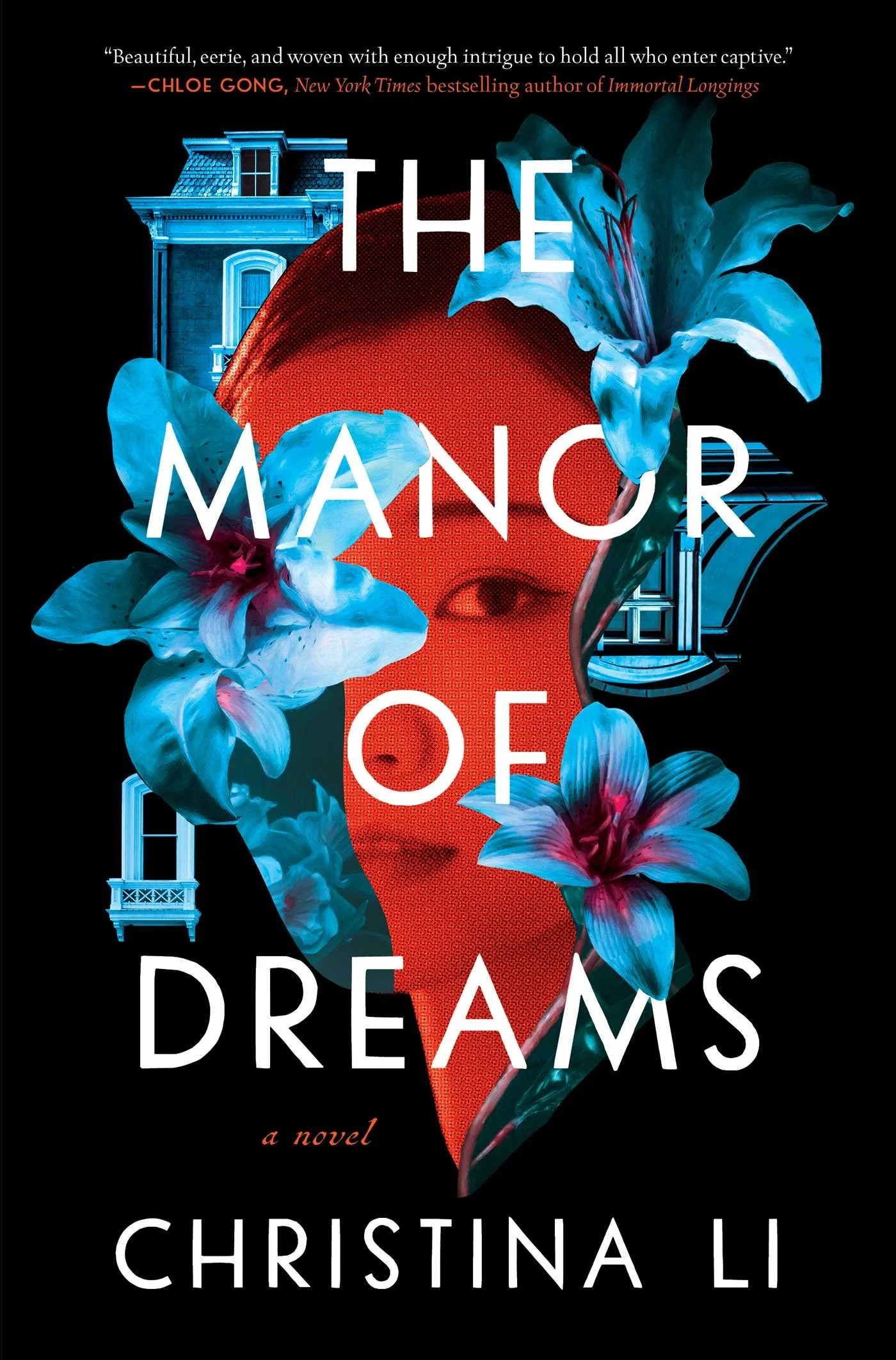
The Manor of Dreams Review: A House That Remembers Everything You Want to Forget
Some houses are haunted by ghosts.
Others are haunted by unresolved family conversations that should have happened twenty years ago but did not.
The Manor of Dreams is about the second kind.
Written by Christina Li, this gothic family novel opens with death, inheritance, and the kind of silence that makes a house feel heavier than it should. It promises secrets, trauma, and slow-burning dread. It delivers all of that. Sometimes too much of it.
This is a book where everyone is haunted. The house knows it. The characters know it. The reader figures it out by page ten and spends the next several hundred pages waiting for everyone else to catch up.
The Setup: A Will Designed to Ruin Everyone’s Week
The story begins, as many gothic novels do, with a famous woman dying and leaving behind unfinished business.
Vivian Yin was a celebrated Chinese American actress. The first to win an Oscar. A woman whose success came with a carefully curated image and a long list of things she refused to talk about.
When Vivian dies, her three daughters assume they will inherit the family mansion in Southern California. The house is large, decaying, and deeply unpleasant in a way that suggests it has opinions.
They do not inherit it.
Instead, the house is left to another family. A family connected to Vivian’s past in ways that immediately feel uncomfortable and unresolved. The kind of decision that guarantees tension, resentment, and at least one dramatic confrontation in a hallway.
Both families end up living in the house together. No one is happy about it. The house seems thrilled.
The House: Not Just Old, But Judgmental
The Manor of Dreams is less a setting and more a witness.
It creaks at the wrong times. Rooms feel wrong. Doors close when no one touches them. The house remembers things the characters would rather forget, and it does not keep those memories to itself.
This is not a jump-scare haunted house. No one is dragged screaming down staircases. The horror is quieter. The kind that shows up in reflections, dreams, and half-remembered conversations.
The house behaves like someone who has been waiting years for everyone to come back so it can finally bring things up.
Spoilers Start Here, Because Subtlety Is Overrated
As the novel moves between timelines, Vivian Yin’s legacy begins to crack.
Her rise to fame was not clean. It was strategic. She learned early that being talented was not enough. She had to be exceptional, controlled, and careful. She had to decide which parts of herself were acceptable and which would be buried.
She buried a lot.
Relationships. Loyalties. Versions of herself that did not fit the narrative Hollywood wanted. People who reminded her of where she came from and what she gave up.
The family that inherits the house represents those buried choices. Their presence is not symbolic. It is confrontational. They are proof that Vivian’s past never disappeared. It simply waited.
The ghosts in the house are not random. They are specific. They cling to moments of betrayal, silence, and abandonment. They do not seek revenge. They seek acknowledgment.
Which, unfortunately, no one is very good at offering.
The Daughters: Inheriting the Emotional Debt
Vivian’s daughters are left to clean up a legacy that looks impressive from the outside and deeply damaged from within.
They are angry. Not loudly. Not neatly. They are angry in the way adult children often are when they realize their parent’s success came at a personal cost they never agreed to pay.
The house forces them to confront who their mother really was. Not the icon. Not the legend. The woman who chose ambition over intimacy and control over connection.
None of them handle this well.
The novel does not pretend they should. Grief here is messy, passive-aggressive, and deeply inconvenient.
The Cultural Layer: Success With Conditions
Where The Manor of Dreams is strongest is in its examination of ambition within the Chinese American experience.
Vivian’s choices are not framed as evil. They are framed as calculated. She understood the rules of the world she was trying to survive in. She followed them. She won.
And she paid for it.
The book understands that success is not neutral for marginalized figures. It often requires compromise, silence, and distance from community. Vivian’s legacy is proof of that cost.
The house becomes a physical reminder of what happens when ambition is built on suppression. When identity is shaped by external approval. When survival demands self-erasure.
This part of the novel is sharp. It knows exactly what it wants to say. It says it without apology.
The Queer Thread: Soft, Sad, Slightly Neglected
There is a queer love story woven through the novel, stretching across timelines and secrecy.
It is tender. It is quiet. It is emotionally honest.
It is also underdeveloped.
The relationship serves the book’s themes well, reinforcing repression and longing, but it never fully steps into the light. It feels like something the novel wanted to honor but did not fully trust itself to explore.
This is not offensive. It is disappointing in a subtle way. Like being handed a beautifully wrapped gift box that turns out to be empty inside.
The Real Problem: Too Much House, Too Many Rooms
The biggest issue with The Manor of Dreams is not its ambition. It is its lack of restraint.
The novel wants to talk about everything. Family trauma. Cultural identity. Fame. Queerness. Generational guilt. Memory. Ghosts. Hollywood. Inheritance.
All of these themes are interesting. Not all of them are given the space they deserve.
Scenes sometimes end just as they become emotionally sharp. Revelations arrive and move on before they can settle. The pacing lingers where it should cut and rushes where it should pause.
The house has too many rooms, and the book insists on showing you all of them.
The Ending: Acceptance, Not Peace
The novel does not end with resolution. The house does not forgive anyone. The past is not healed.
Instead, the ending offers recognition. The characters understand what they have inherited. They understand that legacy is not something you can opt out of.
The Manor of Dreams remains standing. Changed, but not cleansed.
It feels right. This was never a story about fixing anything. It was about seeing it clearly.
Final Verdict: A Haunting That Knows What It Is
The Manor of Dreams is slow, heavy, and intentional. It is not comforting. It does not explain everything. It does not care if you like its characters.
It works best when it trusts its atmosphere and lets silence do the work. It stumbles when it tries to explain itself too much.
Christina Li proves she understands how houses can hold history and how families carry damage forward without ever naming it. The book is thoughtful, moody, and occasionally overstuffed.
Still, it lingers.
You do not leave this house relieved. You leave it thinking about what your own walls might remember.
Which is, frankly, the most honest kind of haunting.
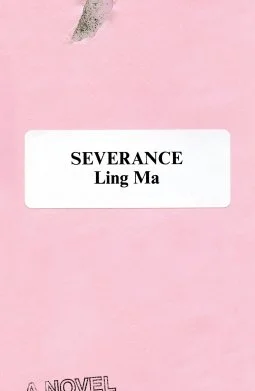
Severance by Ling Ma: The Capitalist Apocalypse We Deserve
Image Fair use: https://en.wikipedia.org/w/index.php?curid=64751369
Disclaimer: The following review contains spoilers, fungal metaphors, and critiques of productivity culture. If you're the kind of person who prides themselves on “only taking 3 sick days in 12 years,” you might be the target audience.
You’re Already in the Zombie Apocalypse, You Just Call It “Work”
You know that thing where you wake up, scroll through Slack with one crusted eye open, make coffee you don’t even taste anymore, and somehow arrive at 6 p.m. without remembering a single thing you did? That’s Severance. Not the show. The novel. And yes, it came first.
In Ling Ma’s version of the end of the world, the virus doesn’t make you run wild and eat brains. It makes you… do your job. Brush your teeth. Stir the soup. Forever. Until your body gives out. It’s not a stretch. Most of us were halfway there before COVID. We call it "routine." She calls it Shen Fever. Tomato, fungal plague.
Candace Chen: Patron Saint of Late Capitalism’s Burnout Baddies
Candace isn’t out here wielding machetes or hunting down supplies in a Mad Max wasteland. She’s doing what every good millennial does when civilization collapses: finishing the project. Holding down her desk job. Sending emails to an empty inbox while the city smolders outside.
Her motivations aren’t bravery or hope. They’re habit. Obligation. That buzzing anxiety that tells you you’re failing if you’re not producing something, even if no one’s left to consume it. She is what burnout looks like in a blouse from Zara, and she will absolutely outlast us all.
A Pandemic Book Before the Pandemic Hit? Ling Ma Knew Too Much
Severance came out in 2018. That’s right. Ling Ma predicted not only the general collapse of society but also your 2020 skincare routine, emotional numbness, and doomed return-to-office mandates. And she did it with style.
But this isn’t a COVID book. It’s sharper than that. It’s about the disease that was already inside us: our inability to unplug, even when unplugging is the only path to survival. The fever just gives it a name. Everything else? You were already doing it voluntarily, every day, on autopilot, in a blazer that still smells like dry shampoo and corporate guilt.
The Fevered Are You. No, Seriously. It’s You.
The infected don’t scream. They don’t chase you through grocery stores or try to rip your face off. They just repeat. Looping mundane tasks over and over like your uncle forwarding conspiracy memes. One woman sets the table, clears it, and resets it for no one. Another folds a shirt, unfolds it, folds it again. There’s no menace. Just muscle memory and quiet decay.
It’s genius. Ma doesn’t lean on gore. She leans on truth. The horror isn’t death. It’s the living death of never breaking pattern. Of dying with a checklist half-done and a Slack status still marked "available." She’s not describing a virus. She’s describing you, in Q4.
The Office as Mausoleum. The Commute as Sacrament.
Candace works for a company that produces Bibles. Printed in bulk. Shipped around the world. It’s almost too on-the-nose, except it works. Her job is logistics. The sacredness of scripture filtered through supply chains and corporate quotas. God as deliverable.
Even after the city empties out, she’s still showing up to her glass tower of fluorescent despair, logging hours. There's no boss. No paycheck. Just that gnawing need to not let it all go. The office becomes a holy site. A place of worship for those who believed in performance reviews more than actual purpose. Bless this spreadsheet.
Bob and His Cult of Survival: Just Another CEO, Really
Bob is the kind of man who thinks his Spotify Wrapped is a personality. He leads a survivor group post-collapse with the charisma of a bad LinkedIn influencer and the ethics of a pre-cancellation WeWork founder. He calls the shots. He distributes goods. He talks about “order” like it’s a brand he’s launching.
He isn’t building community. He’s running a startup, apocalypse edition. And just like every startup, there’s a vibe shift halfway through where you realize he’s not trying to help anyone. He’s trying to stay in charge. Bob isn’t the villain because he’s evil. He’s the villain because he’s normal. The world ended, and he’s still trying to be manager of the month.
Nostalgia, But Make It Corporate
Candace isn’t nostalgic for people. She doesn’t weep over lost relationships or social connection. Her flashbacks are soaked in the comfort of structure. Of brunch routines, subway rides, sterile apartments that look like an IKEA exploded. She misses function, not feeling.
And that’s what stings. Because we get it. How many of us cried when the Starbucks near our condo closed? Not because we loved the coffee. But because it meant we were really, actually alone. Severance doesn’t mock that loss. It exposes it. What we mourn in collapse isn’t each other. It’s the rhythm that kept us from noticing we were already gone.
Identity Is a Spreadsheet You Never Get to Edit
As the daughter of Chinese immigrants, Candace’s inner life is shaped by inherited expectations. Be dutiful. Be successful. Be quiet. Be grateful. She doesn’t rebel. She absorbs. She fits herself into roles so seamlessly it hurts to watch. Especially when there’s no reward. Just more work.
Ma unpacks that identity with a scalpel. Candace isn’t lost because the world ended. She was lost long before that, wearing the perfect outfit and saying the right things. Her grief isn’t loud. It’s ambient. And that’s what makes it real. Her trauma doesn’t explode. It spreadsheets itself across her life in neatly formatted, emotionally vacant cells.
Aesthetic Minimalism Meets Maximalist Commentary
Ling Ma writes like she’s running a quiet revolution in lowercase. Her prose doesn’t scream. It insinuates. Cool, clean, almost antiseptic. And yet every sentence cuts just deep enough to leave a scar. This is what weaponized minimalism looks like.
There’s a reason the novel feels slow. It mirrors the soul-deep drag of real-life monotony. You don’t get a chase scene. You get a meeting invite. You get a memory of your mother cooking congee. You get pages where nothing happens, except the realization that “nothing” is how most of us lived even before the world ended. Ling Ma doesn’t offer catharsis. She offers a mirror you want to throw across the room.
If You Liked “The Office” But Wanted Everyone to Die
Severance is not a zombie novel for people who like fast-paced survival horror. It’s for people who have ever stayed too long in a toxic job. It’s for those who checked their work email during a funeral. Who felt guilty taking a real lunch. Who miss the smell of office printer ink like it’s Chanel No. 5.
It’s not escapism. It’s entrapment. It dares you to confront the sick satisfaction of being a cog in a machine. And it doesn’t let you off the hook just because you read it ironically. If The Office is a satire of work culture, Severance is the post-mortem.
TL;DR – But Make It Judgmental
Candace is your inner overachiever with no exit strategy.
The infected are just peak productivity with a dash of death.
Ling Ma saw your 9-to-5 lifestyle and raised you a slow-burn existential crisis.
Bob is what happens when you give middle managers too much rope.
The scariest part of this novel is how familiar it feels.
Final Word: Are You Working or Are You Fevered?
At its core, Severance isn’t a book about zombies or pandemics. It’s about the quiet horror of forgetting who you are in the pursuit of stability. About how easy it is to disappear while still technically functioning. About how survival isn’t always the same as living.
And honestly? Ling Ma didn’t need to write a sequel. We all became it.
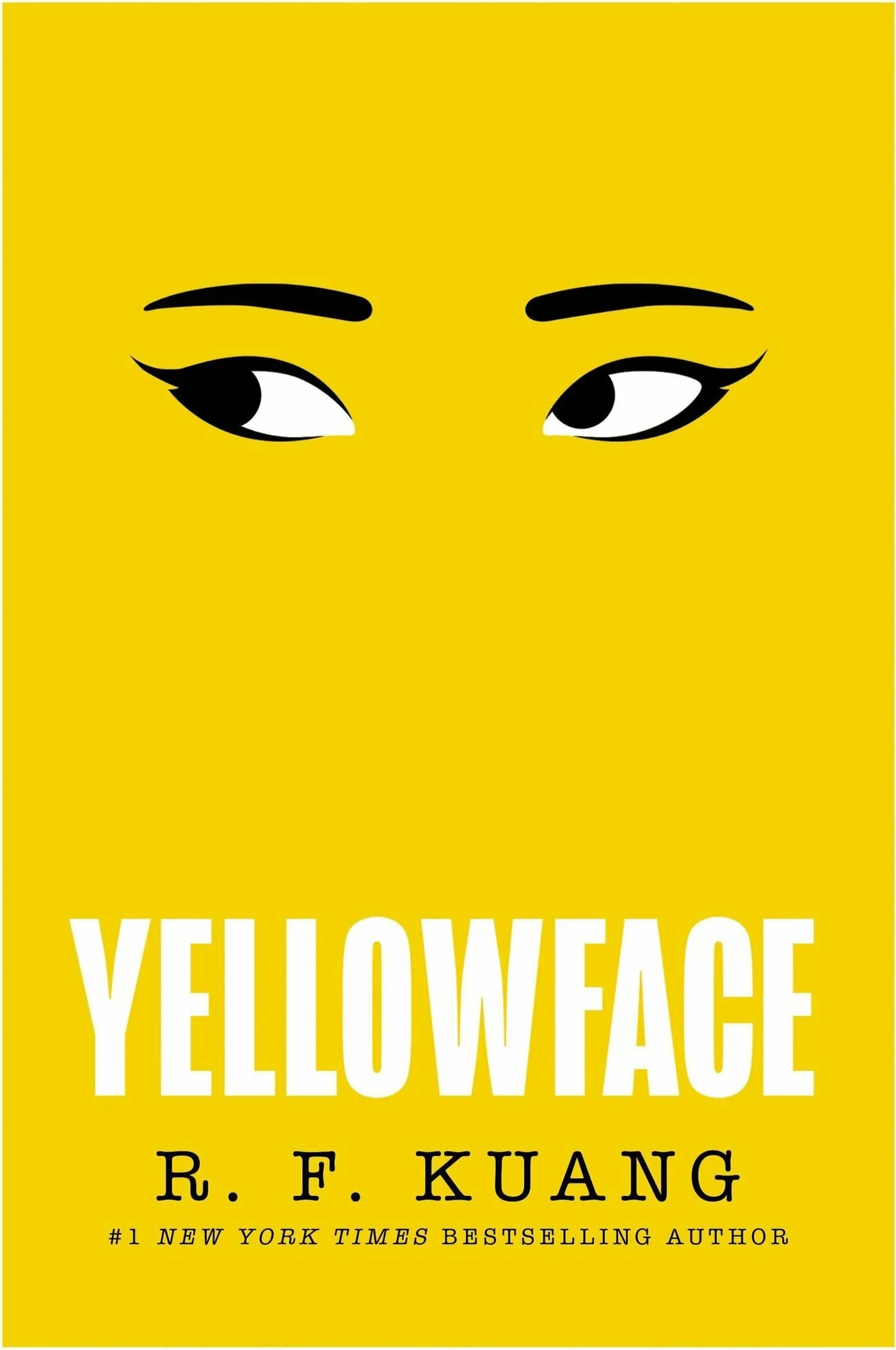
Yellowface by R.F. Kuang: A Deliciously Uncomfortable Mirror of Our Literary Obsessions

Welcome to the Book That Dragged Everyone—And Still Hit #1
Some novels build a world. This one dismantles ours.
Written by R.F. Kuang, bestselling author of Babel and literary grenade-thrower in her own right, Yellowface is the kind of novel that doesn’t just provoke—it detonates. It’s messy, brutal, wildly entertaining, and deeply uncomfortable in all the ways that matter.
This book doesn’t whisper or politely tug at your sleeve. It walks up to you at a literary festival, knocks your iced oat latte out of your hand, and says, “So... you think you deserve that book deal?”
It’s a satire. It’s a horror story. It’s a cry of rage. And if you work in publishing—or have ever tried to write, pitch, sell, or market anything—you’re already implicated.
The Setup: Death by Pancake, Theft by Insecurity
June Hayward is a failed author who’s angry the universe didn’t give her more than a lukewarm debut, a quiet book tour, and the slow rot of literary obscurity. Her friend, Athena Liu, is a star: young, Chinese-American, brilliant, bold, and bestselling. When Athena dies in a freak accident (choking on pancakes, because even death has a sense of irony here), June sees her opportunity.
She steals Athena’s unpublished manuscript—a sweeping historical novel about Chinese laborers during WWI—and publishes it under the ambiguous name “Juniper Song.” The lie grows. The fame swells. And the rot sets in.
This isn’t just a plot. It’s a dare: How far can a white woman go before anyone stops her?
June Isn’t a Villain. She’s an Algorithm.
Kuang doesn’t give us a clean-cut antagonist. She gives us the exact kind of person who wins in real life.
June isn’t evil. She’s entitled, which is worse because it’s so ordinary. Her internal monologue reads like a Reddit thread where someone “just wants to have a conversation” about race but ends up defending colonialism by paragraph three. She tells herself she deserves Athena’s success. That she’s honoring Athena’s legacy. That this is what Athena would have wanted.
Every bad faith argument you’ve ever read online? June makes it. Out loud. To herself. And to us.
Kuang’s Genius: Making Us Hate June While Realizing We Know Her
June isn’t some literary Bond villain. She’s your co-worker. Your former roommate. Your old writing partner who never quite got over your book deal.
And Kuang makes sure we recognize her. Because to hate June is to admit that mediocrity packaged as ambition is disturbingly common—and often rewarded.
Publishing Is the Real Horror Show
Let’s get one thing straight: Yellowface isn’t just about one woman stealing a book. It’s about how the entire publishing machine enables her. Rewards her. Protects her.
Kuang dismantles the industry layer by layer:
Editors who nod at diversity while asking for “more universal themes.”
Marketers who love a brown cover photo if it means hitting the DEI quota.
Readers who demand authenticity, then buy books that flatten trauma into hashtags.
Book influencers who virtue-signal one minute and cancel the next, all while chasing algorithmic clout.
This isn’t satire. This is a documentary with a better wardrobe.
That Voice: First-Person Delusion with a Side of Self-Pity
One of the most compelling (and disturbing) aspects of the novel is June’s voice.
It’s confessional. Coiled. Defensive. At times, she sounds like she’s convincing herself more than the reader. But that’s the trick. June’s voice is a spiral. You follow her logic down until you realize there’s no logic at all—just ego in a trench coat.
You don’t read Yellowface for comfort. You read it to sit in the bathwater of delusion and let it scald.
Twitter Fingers Turn to Trigger Warnings
Social media plays a massive role in the novel’s chaos. June’s ascent and descent are both manufactured online. One viral post turns her into a darling. Another threatens to unravel everything.
Kuang weaponizes cancel culture here—not to dismiss it, but to interrogate the shallowness of public accountability in a system built on performance. The outrage is real, but fleeting. The damage is personal, but impersonalized. And in the end, everyone moves on. Except the people who got burned.
It’s Not Cancel Culture. It’s Consequence Theatre.
June isn’t “cancelled.” She’s exposed. Then rebranded. Because that’s the real currency in this world: the ability to repackage guilt as growth. The only thing people love more than tearing someone down is giving them a comeback arc. Especially if they’re white, tearful, and use words like “learned” and “grateful.”
Who Gets to Tell the Story?
This is the question at the heart of Yellowface. Not just who can, but who should. And when do good intentions stop mattering?
June never asks for permission. She justifies her theft with vague platitudes about craft and art and being inspired. And yet, her actions echo countless real-world moments where stories were taken, voices were mimicked, and credit was misplaced.
Kuang is not subtle here. Nor should she be. The line between inspiration and appropriation isn’t thin. It’s clear. And June sprints across it in stilettos.
How R.F. Kuang Weaponizes Satire with Precision
What makes Yellowface so effective isn’t just its anger—it’s how smart that anger is. Kuang is in control every step of the way. Every petty industry dig. Every performative tweet. Every smug email from a white editor pretending to understand Asian trauma. All of it lands because it’s earned.
She isn’t lashing out. She’s dissecting. And the cuts are surgical.
You’ll Laugh. Then You’ll Gasp. Then You’ll Want to Send Her Flowers.
This book is funny in the way that real-life tragedies sometimes are: dark, absurd, and laced with the kind of awkward truth that makes you stare at the ceiling afterwards.
The Ending: No Redemption Arc. Just Consequences (Sort Of)
Without spoiling, the novel ends exactly how it should: messily. Uneasily. With a taste of justice that feels like it might rot your teeth. June doesn’t get what she wants—but she doesn’t really not get it either. And isn’t that the most honest portrayal of white mediocrity ever written?
This book doesn’t tie things up with a bow. It frays the bow. It cuts the ribbon. It burns the whole box.
Who Should Read This?
Anyone who’s ever worked in publishing and needs therapy.
Writers who think “just changing the names” makes it their story.
Readers who want to be entertained and called out.
Fans of literary satire who like their metaphors wielded like knives.
And yes, even the people who will hate this book. Especially them.
Final Take: Yellowface Is the Literary Equinox—Equal Parts Entertaining and Excruciating
You will turn pages so fast your thumbs will hurt. You will question your own taste. You will pause midway to look at your Goodreads reviews and wonder if you’re part of the problem.
And that’s the point.
Kuang doesn’t want to be liked. She wants to be understood. And in Yellowface, she proves you don’t need likability to write a damn masterpiece.

The Midnight Library Is a Multiverse You’ll Regret Loving
By Sara Alba
Rating: 4.8/5 🍷 For the girls who say “no regrets” and lie through their teeth.
The Midnight Library Is a Multiverse You’ll Regret Loving — And Love Regretting
There are books that entertain. There are books that hurt. And then there’s The Midnight Library by Matt Haig — a novel that gently rips your emotional wiring out, alphabetizes it, then asks you to examine each regret like it’s a library card you forgot to return.
This isn’t a book that lets you escape. It’s a book that quietly pulls you back into yourself — and asks what you’ve done with all the lives you didn’t live.
Nora Seed Isn’t Dead — But She’s Done Living
Nora Seed is thirty-five and unremarkable. She’s depressed, directionless, and drowning in regrets. She’s estranged from her brother, isolated from her friends, unemployed, and still grieving the death of her cat. One night, convinced that the world would be better without her, she swallows enough pills to end her life.
But instead of death, she wakes up in the Midnight Library — a cosmic purgatory filled with books. Each book is a portal to a life she could have lived if she’d made a different choice: if she hadn’t quit swimming, if she hadn’t left the band, if she had said yes, or said no, or stayed.
And so begins the most passive-aggressive multiverse exploration you’ve ever read — where the past is editable, the future is fragile, and every version of Nora is a question she can’t stop asking.
This Isn’t a Plot Twist Story — It’s a Pattern Recognition One
Each new book in the Midnight Library opens to a different version of Nora's life. One where she’s married. One where she’s famous. One where she’s living in the Arctic as a glaciologist. These lives aren't presented with flashy drama — they arrive with quiet emotional friction. The discomfort of unfamiliar routines. The ache of realizing that even your dreams come with paperwork, fatigue, and unanswered texts.
This isn’t time travel. This is trauma recovery — formatted as fiction.
Matt Haig Doesn’t Beautify Depression — He Decodes It
Haig’s style is spare. Short chapters. Clean sentences. There are no ornate metaphors or sweeping descriptions. Instead, there’s precision. Honesty. Pain, plainly delivered.
This book feels like reading a Google Doc written by your inner critic and lightly edited by your therapist. It’s not indulgent. It’s surgical.
The biggest question The Midnight Library asks is simple: If you had the chance to redo your life — would you actually be happier, or just different?
The Library Isn’t Heaven. It’s an Archive of Your Worst What-Ifs
The library metaphor might seem whimsical at first, but it’s brutal in execution. Each book represents a regret. Every choice becomes a forked road Nora didn’t take. And while some lives sparkle at first, all of them reveal new kinds of loss. New disappointments. New gaps.
It’s not that no version of Nora is happy. It’s that happiness doesn’t erase grief — it coexists with it.
That’s the ache of this book. It doesn’t just show you better lives. It shows you that perfection is a myth. Even the dreamiest alt-Nora still misses someone. Still wonders if it was enough.
For the Girls Who Can’t Stop Rewriting Their Own Timeline
This book is for you if you’ve ever:
Wondered if your best self already passed you by
Replayed a conversation from five years ago and still changed the ending
Felt haunted by a version of yourself that no longer exists but still feels close
It’s not about time travel. It’s about emotional resurrection.
You’ll Remember This Book — And It’ll Remember You
You’ll remember it because it taps into the exact brain that thinks about the ex at 4:44 a.m.
You’ll remember it because you’ll wonder if the version of you that didn’t quit, didn’t leave, didn’t give up — would even recognize you now.
You’ll remember it because it dares to whisper the thing most fiction avoids:
Even your dream life might leave you lonely.
Best Read With:
A lukewarm cup of tea and a very specific ache
The playlist you made after the last time you fell apart
A hoodie that still smells like someone who disappointed you
A fresh Google search for “what is the opposite of regret but still a little sad?”
Final Word: The Book That Makes You Mourn Versions of Yourself You Never Even Met
The Midnight Library doesn’t offer clean resolution. It offers a messy truth: there is no perfect life. Just different shapes of pain. And maybe, if you’re lucky, different forms of peace.
It’s not a call to gratitude. It’s not a manifesto about “choosing joy.” It’s something harder and braver — a confrontation with regret that doesn’t try to solve it, just soften it.
So no, this isn’t escapism.
It’s exorcism.

Julie Chan Is Dead, and So Is the Girl You Used to Be
Cover of Julie Chan Is Dead by Liann Zhang. Image courtesy of Liann Zhang
Brewtiful Reading Section | June 7, 2025
By Sara Alba
Rating: 5/5 🍷 For the girls who spiral in lowercase and mean it.
There are books you read for fun, and there are books that make you question your own reflection. Julie Chan Is Dead by Liann Zhang is the latter. This is not a quirky tale about mistaken identity. It’s a razor-sharp, psychologically unflinching dive into the messy tangle of grief, envy, and internet performance. It doesn’t want to be your favorite book. It wants to get under your skin and stay there.
Let’s be clear: this is not beach reading. It’s the kind of book you read in bed, at 2 a.m., half-dreading what the next chapter will reveal — about the characters, about influencer culture, and about yourself.
One Dead Influencer. One Living Twin. And a Lie That Grows Louder Every Day.
The novel opens with Julie Chan — not an influencer, not a star, just a supermarket cashier and invisible girl — finding the dead body of her estranged identical twin sister, Chloe Van Huusen. Chloe was everything Julie wasn’t: rich, beautiful, sponsored, seen. She was a fashion-forward internet personality with brand deals and curated brunches. Julie, by contrast, exists in the margins. She doesn’t just feel like a nobody — she is one, and not in the romantic, main-character-energy kind of way. In the forgettable, ignored kind of way.
So, when she finds Chloe lifeless in her apartment, what does Julie do?
She logs into Chloe’s phone. She answers her messages. She uploads a post.
She becomes her.
This Book Isn’t About Switching Lives. It’s About Deleting Your Own.
What follows is not a classic switcheroo or a glamorous impersonation story. It’s slow-burn psychological horror disguised as a coming-of-age narrative. Julie isn’t playing dress-up. She’s committing identity fraud with emotional stakes so high you’ll find yourself sweating through benign sentences.
As she steps into Chloe’s designer shoes — literally — Julie doesn’t just mimic her sister’s routines. She starts inhabiting her. Or at least, the version of her that the internet wanted to believe was real. Influencer Chloe is alive, at least on social media. And that, in this world, is enough.
Julie doesn’t become powerful. She becomes haunted.
The Writing Style: Sharp Enough to Leave Paper Cuts
Liann Zhang’s prose is quiet, clipped, and devastating. You won’t find purple flourishes or indulgent metaphors. You’ll find restraint that feels almost surgical. Every sentence is intentional. Every pause is loaded. There’s no wasted space in this novel, which makes every word feel like a clue.
Reading Zhang feels like reading someone’s carefully crafted apology — one they’ll never send. The tension simmers in the silence between what Julie feels and what she says, between what she reveals and what she edits. The result is a novel that reads like a curated Instagram feed: perfectly filtered and deeply unsettling.
A Critique of Influence That Cuts Deeper Than Likes and Follows
This isn’t just a thriller. It’s an autopsy of influencer culture. It’s about how easily we collapse a person into a brand. How someone’s pain becomes part of their “story arc.” How tragedy, when well-lit, becomes engagement.
Julie doesn’t know how to be an influencer. She just knows how to copy one. And as she fakes her way through brand meetings, beauty launches, and Instagram captions, we’re forced to ask the question no one likes to say out loud: Is there a real person under all this content?
And: Was there ever?
Zhang doesn’t answer that question. She just keeps asking it in different ways until you feel sick.
You’ll Find Yourself Rooting for Her. And Then You’ll Feel Dirty About It.
Julie isn’t a hero. She’s not even an anti-hero. She’s desperate, angry, and quietly terrifying in her own way. But here’s the thing: you’ll relate to her. Not to the fraud or the deception, necessarily, but to the craving. The craving to be seen. To be loved. To be envied. To matter.
And that’s the book’s real horror: you’ll understand exactly why she does it.
You’ll understand the hunger to be looked at — even if it means disappearing in the process.
This Isn’t a Mystery. It’s a Disintegration.
Don’t expect a tight plot wrapped in red string and police tape. There’s no detective chasing Julie. No cliffhangers every chapter. The real suspense comes from watching her lose herself — slowly, expertly, and with chilling precision.
Each chapter peels away a piece of Julie’s identity, until you’re left wondering who she even is anymore — and whether that was the point all along. Is she trying to become Chloe? Or is she trying to erase herself?
There’s no clear answer. Just silence. And that silence is deafening.
Best Read With:
Leftover takeout and a vague sense of dread
Your phone turned face-down, because this book makes you hate your own feed
A playlist of songs that remind you of your worst decisions
The text you almost sent at 1:52 a.m. last week
Final Word: This Isn’t Fiction. It’s a Mirror.
Julie Chan Is Dead isn’t about death. It’s about erasure. It’s about the ways women disappear — behind usernames, behind aesthetics, behind more successful sisters. It’s about the version of yourself you killed off quietly, hoping someone might mourn her.
This book won’t give you closure. It won’t make you feel better. It will make you think. It will make you uncomfortable. And then, when you’re alone, scrolling mindlessly and comparing your life to someone’s carefully cropped grid, it will whisper: Remember me?
Read it. Just don’t expect to be the same afterward.

Ask Not Why I’m Screaming: The Kennedy Legacy Is Even Uglier Than You Think
I’m not easily rattled. I’ve read memoirs that should’ve come with a trigger warning. I’ve covered stories soaked in scandal. Most so-called shocking nonfiction? Predictable. Processed. Forgettable.
But Ask Not: The Kennedys and the Women They Destroyed by Maureen Callahan?
It cracked something open.
This isn’t biography—it’s exhumation. A line-by-line dismantling of America’s most romanticized political dynasty, told through the voices history tried to erase: the women who got too close.
Camelot Was a Cover Story—Here’s What Was Underneath
We were taught to idolize JFK and Jackie. The perfect couple. Grace under fire. The American fairy tale.
What Callahan reveals is that the Camelot myth was a PR campaign, manufactured to distract from a pattern of abuse, control, and coverup. The Kennedy men didn’t just use their power—they consumed with it. Women were props, perks, or threats to be neutralized. And when it came time to write the story, they got edited out.
Not just a footnote. A deletion.
John F. Kennedy: Charisma Weaponized
It’s no secret that JFK was a womanizer. But what Ask Not lays bare is the sheer scope—and violence—of his behavior.
He slept with teenage interns.
He seduced friends' wives and girlfriends.
He treated the White House like a personal brothel.
These weren’t harmless affairs. Many involved vast power imbalances. Some were orchestrated with the help of staff. And when things got messy, the women took the fall—fired, shamed, or quietly removed.
He wasn’t just cheating. He was conquering.
Bobby Kennedy: The So-Called “Moral One”
RFK was long framed as the conscience of the family. The serious one. The reformer. But Callahan rips that illusion apart.
Bobby, too, was involved with Marilyn Monroe. Bobby, too, knew about the coverups. He played the role of fixer—not just for political scandals, but for family sins. And according to Callahan, his hands weren’t clean. They were strategic.
The question isn’t whether Bobby protected Marilyn. The question is: what was he protecting?
Marilyn Monroe: The Disposable Muse
We know the headlines. The birthday dress. The whispered affairs. The overdose.
What Callahan does differently is give Marilyn back her agency—then show us how it was taken away.
Marilyn wasn’t chasing fame—she already had it.
She wanted answers, not attention.
She was silenced, not saved.
The timeline Callahan lays out is chilling: how quickly Marilyn went from trusted confidante to liability. How the people closest to her disappeared in the days before her death. How the press was manipulated before rigor mortis even set in.
It’s not a conspiracy. It’s a pattern. Power doesn’t erase women—it buries them.
Jackie Kennedy: The Smile That Hid the Scars
Jackie was never just a fashion icon. She was a strategist, a survivor, and a woman holding together a legacy with bloodied hands.
Callahan doesn’t mock Jackie’s silence—she explains it. She was protecting her children. She was protecting her status. And maybe, at times, she was protecting herself.
But silence is never neutral. And Callahan forces us to ask: who did it cost?
Carolyn Bessette: Elegance on the Outside, Erosion Within
Carolyn Bessette-Kennedy has become a kind of ghost-fairy of ‘90s minimalism. The hair. The slip dress. The mystery.
But behind the iconography was a woman in pain.
Callahan traces her descent—how isolation, public scrutiny, and a volatile relationship with JFK Jr. wore her down. Friends witnessed verbal abuse. She became reclusive. There were whispers of separation just before the crash.
The plane crash wasn’t just a tragic accident—it was the endpoint of a toxic cycle no one knew how to interrupt.
If you’re still captivated by the visual mythology she left behind, here are 10 subtle, stylish ways to dress like Carolyn Bessette-Kennedy—without forgetting the woman beneath the wardrobe.
Erased, Edited, and Misremembered: Why Didn’t We Know?
This is the question that echoes through every chapter: why didn’t we know?
Because it wasn’t convenient. Because it didn’t fit the brand. Because women’s pain never gets the PR treatment.
The Kennedys weren’t just powerful—they were untouchable. And when the truth threatened their image, it was redacted.
Not all at once. Quietly. Over time. Until the lie became legacy.
The YouTube Companion You Didn’t Know You Needed
Reading this book feels like being held underwater. Which is why I couldn’t do it alone.
Enter: Cheer Denise, a YouTuber who reads the book chapter by chapter and reacts in real time. Her channel is part read-along, part group therapy, and part investigative sidekick. She gasps when you gasp. She makes connections you hadn’t seen. She validates the rage.
▶️ Watch her read Ask Not here
There’s something powerful about experiencing this book with someone who refuses to gloss over the discomfort. Especially when so many did.
So Where Does That Leave Us?
With rage. With clarity. With a responsibility to stop treating history like a highlight reel for powerful men.
We don’t owe the Kennedys our reverence. We owe the women they destroyed our attention.
Read Ask Not. Talk about it. Challenge the sanitized versions of history you were handed in school and magazines. Ask better questions. Start new conversations.
Because in the wreckage, Maureen Callahan does something powerful.
She doesn’t just show us what was lost.
She shows us what still deserves to be found.
To go deeper, read The Fashion Legacy of Jackie, Joan, and Carolyn—a visual and cultural unpacking of how these women communicated strength, sorrow, and survival through style.