What One Night in Idaho Taught Me About Internet Culture, Grief, and Respect
Two Stories
Moving Toward
Each Other.
Four People
Who Did Not Know.
The University of Idaho murders produced a perpetual motion machine of true crime content. Before we talk about what that machine did — and what it still does — we need to talk about who it consumed first. Madison Mogen. Kaylee Goncalves. Xana Kernodle. Ethan Chapin. Four young people who were becoming something. And a fifth person who was, reportedly, watching them do it.
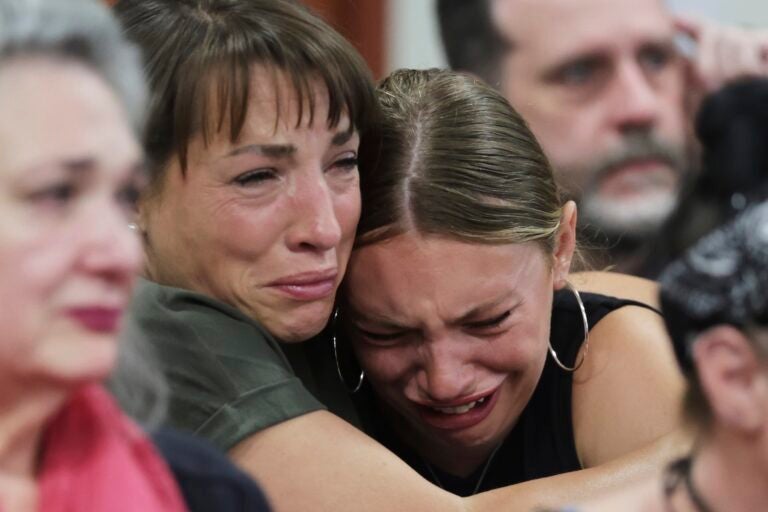 Families address Bryan Kohberger at sentencing, July 23, 2025 · AP Photo
There are two stories inside the University of Idaho murders, and we have only ever been told one of them properly. The first is the one you know: a crime, a suspect, an arrest, a plea, a sentence, four consecutive life terms, three words from the defendant that explained nothing. The second story — the one this essay is about — ran parallel to the first, invisible to the people living inside it. It is the story of four young people moving through their ordinary lives in the autumn of 2022, becoming the people they were going to be, while someone else was reportedly learning the geography of their days.
These two stories converged on November 13, 2022, at a house on King Road in Moscow, Idaho. After that, a third story began — the one the rest of us wrote about them without permission. The true crime story. The content story. The story that turned their names into search terms and their grief-wrecked families into subjects of public analysis.
This essay is an attempt to hold all three at once, because that is the only honest way to look at what happened. Not the crime alone. Not the victims alone. Not the audience alone. All of it, together, in the same frame — including the uncomfortable fact that reading this essay makes you part of the third story too.
We do not say we are watching. We say we are following the case. The distinction is smaller than it sounds.
A reported, reflective, authoritative examination of the University of Idaho murders — the four victims, the reported behaviour of Bryan Kohberger, the true crime machine that consumed the case, and the audience that powered it. It contains no graphic reconstruction, no speculation dressed as fact, and no treatment of private grief as public property.
It does contain things that are uncomfortable. That is the point.
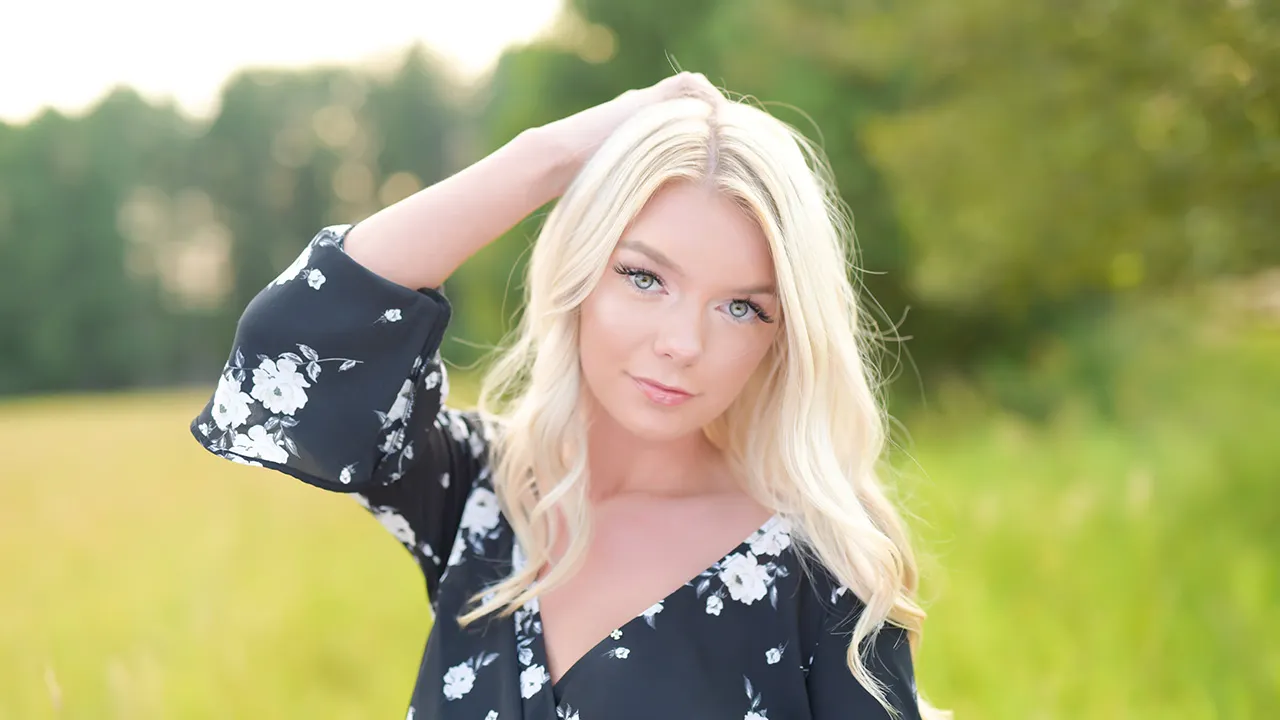
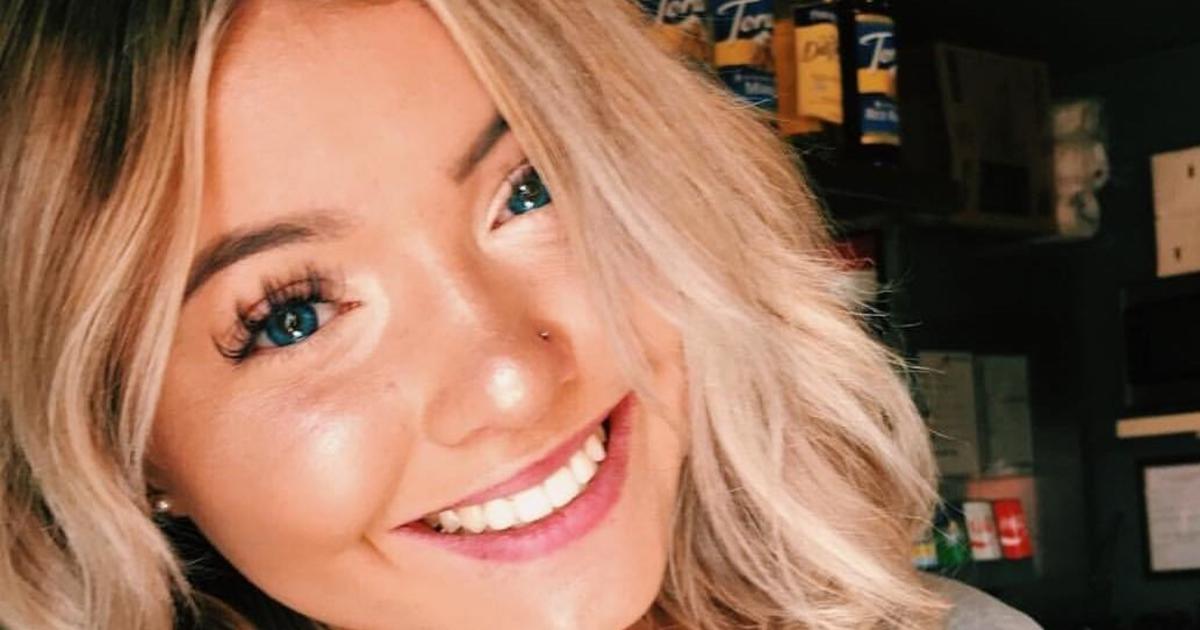

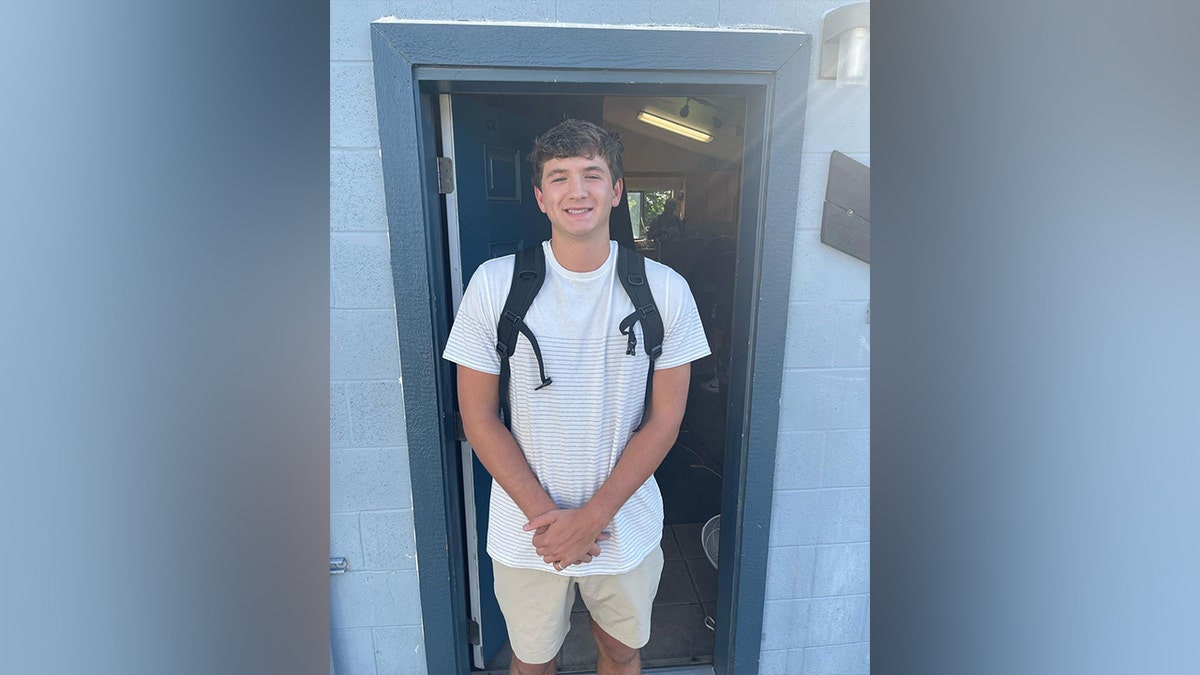
They were becoming. That is the word. Becoming. And then they were not.
The crime did not define them. It interrupted them.Each profile contains a "The Mirror" beat — a recurring structural device that notes, where reporting makes it relevant, what was allegedly happening in parallel to each person's ordinary life. These beats are sourced from the probable cause affidavit and public reporting. They are not included to sensationalise. They are included because understanding the full picture of this case requires holding both stories simultaneously: the lives being lived and the attention that was, reportedly, being paid to them.
Madison Mogen Was Not a Plot Point. She Was the Point.
Maddie was a senior studying marketing at the University of Idaho. She was from Coeur d'Alene, a city on the northern edge of the state where the lakes are cold and the winters are long and people tend to know each other across generations. She worked at a local restaurant. She was a member of Pi Beta Phi. She was twenty-one years old, which is the age where the shape of your adult life starts to become visible — not fully formed, but there, on the horizon, unmistakable.
She was, by every account from the people who knew her, someone who made a room feel different when she entered it. That is a thing people say at memorials, and it is sometimes true, and with Maddie it appears to have been specifically and exactly true. The people who loved her describe not a general warmth but a specific presence — her presence, the one that belonged to her and nobody else.
 Madison Mogen's pink cowboy boots, displayed in the window of the King Road house. They became a symbol of her presence — and her absence. · AP Photo
Maddie was one semester from a marketing degree. She had built the infrastructure of a life around her — friendships that had survived the reshuffling of college, a sorority chapter, a job, a house full of people she had chosen to live with. She was becoming a professional, a fully independent adult, a person with a city waiting at the end of the academic calendar. That city never got to meet her.
Maddie's friendship with Kaylee Goncalves became one of the emotional centres of the public story because people could understand it without being told what to feel. Two best friends. Two young women who had decided — out of all the available configurations of college life — that they wanted to be in each other's daily orbit. Shared clothes, shared rooms, shared jokes that belong to no archive. The kind of friendship that does not need to be explained because everyone who has had one already knows what it costs to lose it.
But friendship should not have to become tragic to be recognised as profound. That is one of the quiet indictments of true crime culture: it waits for catastrophe to start paying attention to the ordinary. As if ordinary lives need to earn their significance through how they end rather than how they were lived.
Maddie's life was significant before November 13, 2022. That is not a consolation. That is the most important thing to say about her.
According to the probable cause affidavit filed in the case, cell phone data placed the defendant near the King Road house — where Maddie lived — on multiple occasions in the months before the murders, including visits in the pre-dawn hours. The affidavit noted at least twelve such visits to the area. Maddie's ordinary life, the one she was moving through with the confidence of someone who did not know she was being watched, was reportedly being observed from the outside during some of those same ordinary months.
Kaylee Goncalves Had a Future Everyone Could See Coming. Including Kaylee.
Kaylee Goncalves was a senior from Rathdrum, Idaho, studying general studies. She was close to the finish line — of university, of the particular suspended state of early adulthood, of waiting. She had a new job lined up. She was planning a move. The future was not abstract for Kaylee in the autumn of 2022. It was specific and proximate and already being arranged.
She had a dog named Murphy. She had a family who loved her with a ferocity that has been visible to everyone who has watched them grieve. She had the kind of personality — direct, loyal, fierce about the people she chose — that means her absence does not quietly fill in. It stays exactly the shape she was.
Kaylee was weeks from the version of herself that comes after college. She had a job lined up, a move planned, a dog, a best friend, a family that was expecting to gain an adult daughter rather than lose a young one. The interrupted future in her case is unusually legible — she had named it, arranged it, was walking toward it. What was taken from her was not potential but imminence.
Kaylee's family has been a constant, emotional, sometimes polarising presence in the public story of this case. They have spoken loudly, grieved loudly, and refused to let the case settle into resolved silence. The internet has had opinions about this, because the internet has opinions about every decibel of family grief — too loud, too quiet, too public, too absent, too forgiving, too angry, too something. The Goncalves family chose visible grief. They should not have had to make that choice at all.
There is a particular cruelty in the way true crime audiences grade the families of victims. As if there is a correct way to have your twenty-one-year-old daughter murdered. As if grief has a volume setting that strangers are entitled to adjust. It does not. They are not. And the Goncalves family's refusal to perform grief in an acceptable register is not a story. It is a family trying to survive an unsurvivable thing in the only way available to them.
At sentencing, Kaylee's father spoke. The courtroom that had processed months of legal procedure sat in a different kind of silence for those minutes. That silence was not content. It was the thing underneath all the content — the actual human cost that the machine processes and packages and serves back to an audience as understanding.
The internet wanted answers. The Goncalves family wanted Kaylee. These are not the same hunger and they do not have the same ending.
True crime mistakes consumption for carePublic reporting on the case indicated that the defendant had made contact with at least one of the victims via Instagram in the period before the murders. The full content of those messages was not made public. What was established: the contact happened, was not reciprocated, and did not stop the reported visits to King Road. Kaylee was, in all probability, living her ordinary life — planning her move, working, spending time with Maddie — while this was occurring. She did not know. She could not have known. That is the most unbearable sentence in this entire case.
Xana Kernodle Was More Than a Location in an Affidavit.
Xana Kernodle was a junior from Post Falls, Idaho, studying marketing. She was twenty, which is still early enough in college that there are two full years of ordinary life still ahead — two more years of declaring a path and then quietly revising it, of figuring out who you are when nobody from home is watching, of becoming.
She worked. She had a sorority chapter. She had a relationship with Ethan Chapin that was, by the accounts available to the public, genuinely good in the way early relationships can be genuinely good — uncomplicated by the accumulation of time, full of the energy of two people still in the early stages of finding out what they are to each other.
Xana had two more years. That is what twenty years old means at a university — two more years of ordinary time, the kind that feels infinite when you are inside it and devastating to look at from outside. She was in the middle of something: a degree, a relationship, a chapter. Not at the end. Not even close. The murder of someone who was only halfway through their undergraduate years is its own specific and brutal category of loss.
True crime coverage has a particular problem with Xana, and that problem is the affidavit. Because certain details about the timeline of the night of November 13 — details connected to Xana specifically — became central to the public discussion of the case's sequence of events, she is often remembered primarily in relation to those details. She becomes a timestamp. A location. A piece of evidence in someone else's story.
This is how the machine works. It does not intend to reduce people. It is structurally incapable of not reducing them, because the machine is built to process information, and people are not information. People are the thing that remains after information has been extracted and organised and served to an audience. What remains, in Xana's case, is a young woman from Post Falls who was studying marketing, who worked, who had a boyfriend she loved, who had a roommate and a sorority and a major and a future. That is what was taken. Not a timestamp. A person who happened to be at a location the crime cared about.
Restraint is the most decent form of attention we can offer her. Not more detail. Less.
Xana's final hours became part of the public record through the legal process. This essay will not reconstruct them. What is worth noting is simpler and more devastating: Xana was home. On an ordinary night. In the house where she lived. The same house that, according to the probable cause affidavit, had reportedly been visited twelve times by the defendant in the preceding months. She was not in an unusual place doing an unusual thing. She was exactly where she was supposed to be.
Ethan Chapin Was a Freshman. He Had Everything Still Coming.
Ethan Chapin was a freshman. That single word contains a specific kind of loss that the other three profiles do not carry in quite the same way. A senior close to graduation has almost completed the arc. A junior is past the halfway point. A freshman is only three months in. Ethan had been at the University of Idaho for three months when he was murdered. He had barely started.
He was from Mount Vernon, Washington, studying recreation, sport and tourism management. He was a member of Sigma Chi. He was a triplet — one third of a set, which is its own form of specific loss that the rest of us can only gesture toward. His mother, Stacy Chapin, has spoken about him with a clarity and love that makes the reading of her words feel like an intrusion. She describes joy. She means it.
Ethan had not even declared himself yet, in the way freshmen do — had not yet had the semester that clarifies what you care about, the professor who changes the angle of things, the friendship group that becomes the one you carry for decades. He was three months into a four-year process of becoming. The version of Ethan that might have existed at graduation — experienced, shaped, decided — never got to form. He was taken at the very beginning of the story, before it had a chance to develop its own direction.
Ethan's presence in the case is sometimes framed as incidental, because he did not live in the King Road house. He was there with Xana. He was visiting his girlfriend on an ordinary night in the middle of the week. The word "visiting" is important. He did not live there. He was a guest. And in some coverage that fact is used — without explicit intention — to place him slightly to one side of the story, as if the geography of where he slept determined the weight of his loss.
It did not. Ethan Chapin was twenty years old. He was someone's triplet, someone's son, someone's boyfriend, someone's fraternity brother, someone's friend from back home. He had siblings who shared a birthday and a childhood and a face and whatever comes after all of this, which is the kind of weight most of us are not built to imagine carrying. His mother built a foundation in his name — the Ethan's Smile Foundation — because love has to go somewhere when there is nowhere left to put it.
He should have had decades for the smile to go places itself. That he did not is the only part of this that matters.
Ethan did not live at King Road. The surveillance, the reported visits, the alleged pattern of attention — none of it was directed at him specifically. He was at the house because he was with Xana, because he was a twenty-year-old freshman visiting his girlfriend, because that is what twenty-year-old freshmen do. He was killed because he was there. The randomness of his presence in that specific location on that specific night is one of the details that makes the case feel most unbearable, because it makes visible what was already true: the four people who died on King Road did not die because of anything they did. They died because of where they lived. And one of them died because of where he happened to be.
The University of Idaho's Vandal Healing Garden and Memorial includes a permanent remembrance space for Madison Mogen, Kaylee Goncalves, Xana Kernodle, and Ethan Chapin. Their names are inscribed there — not as clues, not as content, not as search terms, but as people who belonged to a community that still carries their absence.
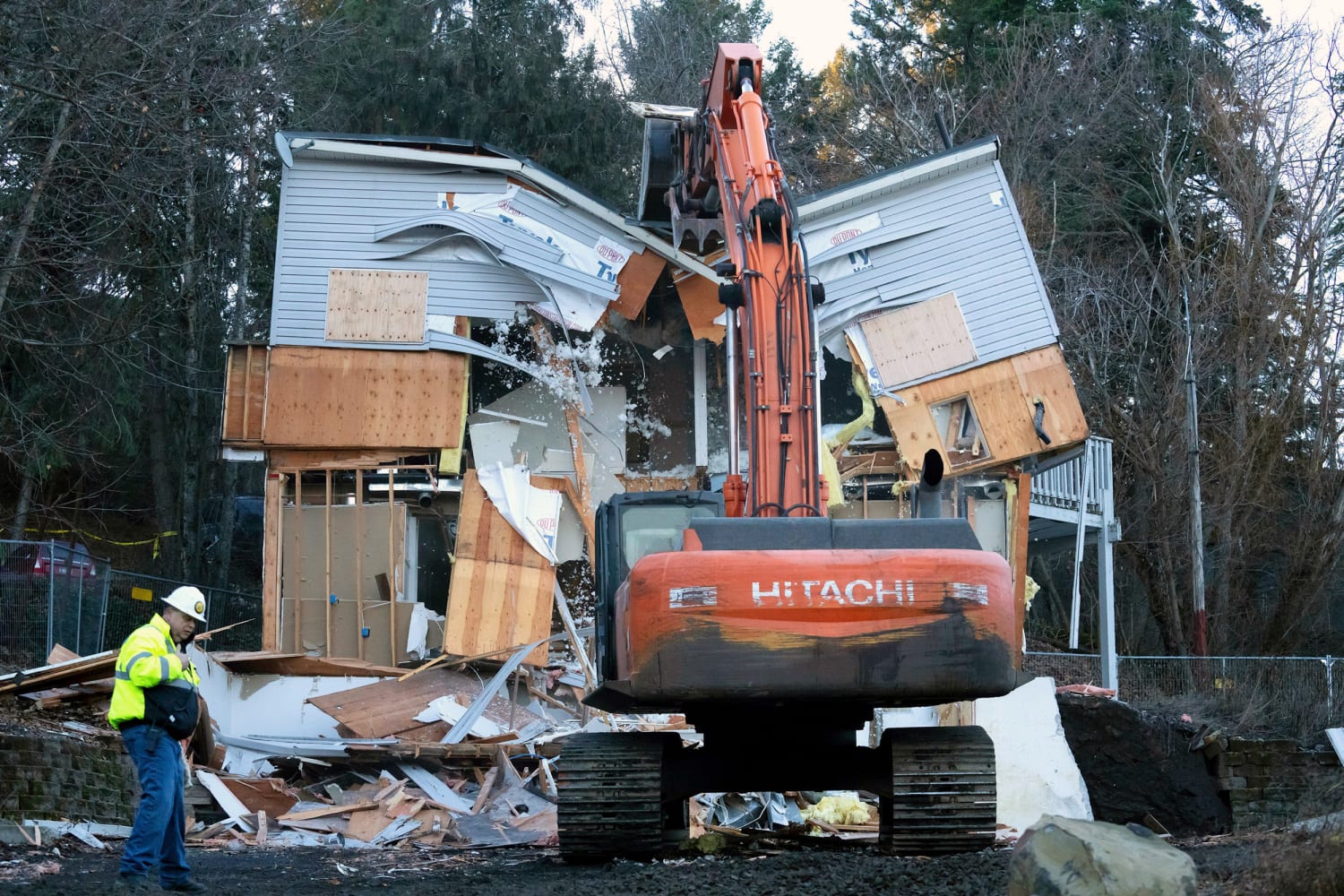 The King Road house, Moscow, Idaho — demolished December 2023 · NBC News
He Was Studying How Crimes Like This Happen. Then He Allegedly Committed One.
Bryan Kohberger was twenty-eight years old in November 2022. He was a PhD student in criminology at Washington State University in Pullman, Washington — roughly ten miles from Moscow, Idaho. Ten miles. The distance between the campus where he was studying criminal psychology and the house on King Road where four people were murdered is, on a clear day in the inland northwest, approximately twelve minutes by car.
He had previously published academic interest in understanding what drives criminal behaviour. He had reportedly surveyed convicted offenders about the factors in their offending. He was, in the professional language of his field, studying perpetrators — their psychology, their decisions, their patterns. He knew the literature. He had read the case studies. He understood, in the abstract, what investigators look for when they look for a killer.
And then, according to the State of Idaho, he became one.
Arrested. Charged. Pleaded Guilty. Sentenced. Still Said Nothing Useful.
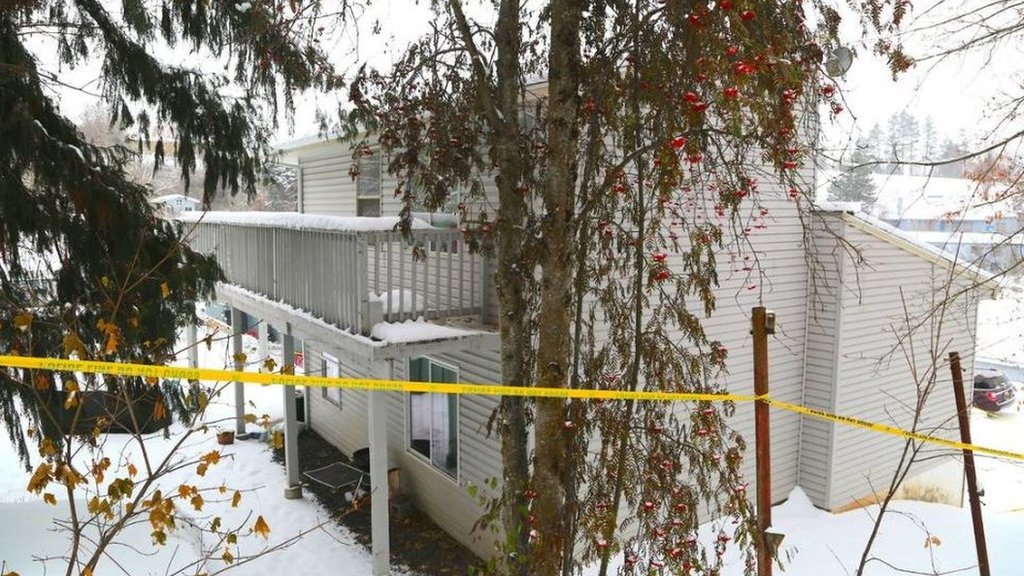
Kohberger was arrested on December 30, 2022, at his family home in Monroe County, Pennsylvania. He had driven cross-country after the murders, a detail that became significant once the case developed. The arrest was the result of a multi-agency investigation involving DNA evidence recovered from the crime scene, cell phone data placing him in the area of the King Road house on the night of the murders and on multiple prior occasions, and surveillance of a white Hyundai Elantra that had been seen in the area.
He was charged with four counts of first-degree murder and one count of burglary. He pleaded guilty on July 23, 2025. He was sentenced on the same day to four consecutive life sentences without the possibility of parole, plus ten years for burglary. At sentencing, the families of each of the four victims delivered impact statements. Then Kohberger was given the opportunity to speak. He said, "I am innocent," and sat down.
Those three words constituted the entirety of his public explanation. A man who had spent years studying why people commit violent crimes offered no explanation for his own. A man who had, through his guilty plea, legally admitted responsibility for the deaths of four people told the families of those people that he was innocent. The legal contradiction was noted by commentators. The human one was felt by everyone in the room.
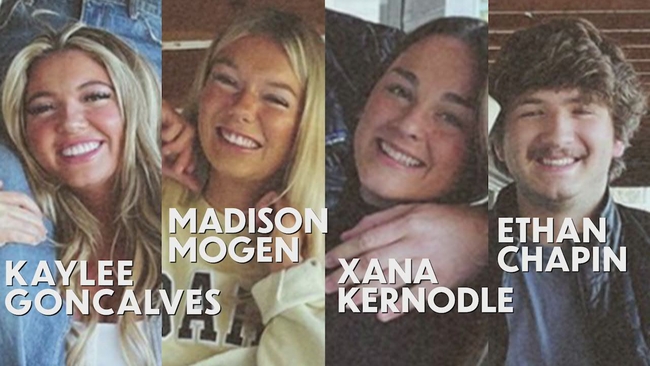 Investigation timeline of the University of Idaho murders · ABC News
The Twelve Visits. Not One. Not Two. Twelve.
Twelve visits is not a number that permits innocent explanations. It is not a coincidence, a wrong turn, or a route of convenience. Twelve visits to the same residential address in the pre-dawn hours, over multiple months, is a pattern of attention. The probable cause affidavit used that language carefully and specifically. Law enforcement does not include details in affidavits to add colour. They include details because those details form part of a legal argument for probable cause.
The argument was accepted. Kohberger was arrested. The detail about the twelve visits entered the public record and became, like everything else in this case, content. People discussed it on Reddit. They built theories around it on TikTok. They argued about its significance and its implications and what it proved and what it did not prove.
What it actually means — and this is the part the content machine tends to skip past — is that four young people were going about their ordinary lives for months while someone was reportedly learning the geography of those lives. Maddie was going to work. Kaylee was planning her move. Xana was going to class. Ethan was adjusting to his first semester. And someone was, reportedly, returning to their street again and again and again in the middle of the night, twelve times, learning the pattern of a house he had no right to know.
The Instagram Contact. The Unreturned Message. The Visits That Continued.
Public reporting on the case established that Kohberger had made contact with at least one of the victims through Instagram in the period before the murders. The specific content of those messages was not made fully public. What was established through reporting: the contact was made, it was not reciprocated, and it did not end the alleged pattern of surveillance.
This is the detail that sits most uncomfortably alongside everything else. An unreturned message is one of the most ordinary social signals in existence. It means: no. It means: this contact is not welcome. It means: do not continue. Most people receive it and understand it immediately. The visits to King Road, if the affidavit is accurate, continued after it.
The word "stalking" has been used carefully by journalists and legal commentators throughout this case, because no stalking charge was ever filed. But the pattern described in the affidavit — unreturned contact, repeated nocturnal visits to a residential address, over an extended period — is structurally consistent with what documented stalking cases look like. The absence of a charge does not change the nature of the documented behaviour. It changes only the legal category.
An unreturned message means no. The visits continued. That is not ambiguity. That is a decision.
The behaviour preceded the crime. The crime did not emerge from nothing.The Criminology Angle. The Part That Should Unsettle Everyone.
Bryan Kohberger studied criminology. He studied it at a graduate level. He had academic interests in understanding the psychological and situational factors that lead people to commit violent crimes. He had engaged with the literature on offender behaviour, on criminal psychology, on what makes people capable of certain acts. He was, in the terms of his own field, someone who had thought seriously about how crimes like this happen.
The irony is not subtle. It is, in fact, almost too large to look at directly: a man who spent years studying criminal behaviour allegedly used what he understood about investigations to evade detection for as long as possible — driving cross-country, wearing gloves, following a pattern that left minimal traceable evidence at the scene. Whether his criminology training contributed directly to his alleged methodology is something that was never examined at trial, because there was no trial. The guilty plea foreclosed that inquiry.
What remains is the fact of his education and the fact of what he allegedly did with it. They sit next to each other in this case like two pieces of information that should not logically belong in the same sentence, and yet here we are.
 Bryan Kohberger in court · AP Photo / NPR
Two Stories. One Autumn. Neither Aware of the Other.
The Machine Arrived Before the Investigation Was Over.
The true crime machine does not wait for closure. It does not wait for facts. It does not wait for families to be notified, for investigations to develop, for the people closest to the dead to have had a single private hour with their grief before the public demands to share it. The machine arrived in Moscow, Idaho within hours of the first reports, and it has not fully left.
Within days, amateur investigators had identified the house, photographed it from the street, mapped the floor plan from public records, and begun constructing timelines based on the locations of nearby food establishments. Within weeks, the surviving roommates — two young women who had been in the house on the night of the murders and who were, by any reasonable measure, witnesses to one of the most traumatic possible events — had been subjected to a level of public scrutiny that had no legal basis and no ethical justification. Their behaviour was analysed. Their demeanour was graded. Their phone use was tracked. Their social media was forensically examined by strangers who had never met them and who drew conclusions with the confidence of people who believed that consuming information about a case qualified them to evaluate the people inside it.
It does not. It never did. But that has never stopped the machine.
- Surviving roommates were treated as suspects until proved otherwise by strangers with no investigative authority
- Families were graded for the decibel level and style of their public grief
- Private social media posts from the victims' accounts became evidence in amateur theories
- The house — a home where people had lived — became a tourism destination before it was demolished
- The arrest of Bryan Kohberger was treated as the resolution of a narrative, not the beginning of a legal process
- The guilty plea was processed as a content event rather than as the legal conclusion it was
- The sentencing became, briefly, must-see television
There is a specific ugliness in what the true crime audience did to the surviving roommates in this case, and it deserves to be named plainly. Two people were in that house. They were young women. They had just experienced something that has no name in ordinary human language. And within days, the internet had decided that their behaviour — their choices about when to leave the house, when to post on social media, when to be seen publicly, how to carry their faces — was evidence of something. The something changed depending on which forum you were reading. But the certainty never wavered.
This is what happens when audiences mistake attention for investigation. When knowing a case's details feels like participating in its resolution. When the distance between the screen and the story becomes so small that people start to believe they are inside it rather than watching it.
The surviving roommates were inside it. The audience was watching. That difference matters in ways that the machine is structurally incapable of accounting for.
We Are All, in Some Form, Circling the Same House.
Here is the thing nobody in the true crime space wants to say out loud, so this essay will say it and let it sit: the structure of the audience's attention to this case and the structure of the defendant's reported attention to the King Road house are not the same thing in degree or in intent. But they are uncomfortably similar in form. Both involve returning to the same address, again and again. Both involve learning the patterns of people who did not consent to being known. Both involve a kind of attention that the subjects of that attention could not see and did not invite.
The difference is intent. The difference is outcome. The difference is everything that matters morally and legally. But the formal similarity is real, and sitting with it for one uncomfortable moment is the price of honest engagement with what true crime culture actually does.
We do not say we are watching. We say we are following the case. We do not say we are consuming grief. We say we are seeking justice. We do not say we are treating the dead as content. We say we care about what happened. And maybe we do. Maybe caring and consuming are not mutually exclusive. But they are not the same thing, and the machine does not always give us space to notice the difference.
Attention is not neutral. It never was. The question is what we do with that knowledge.
This is the question the machine never asksThe least we can do — the absolute minimum — is to refuse to let the machine flatten the people at the centre of it. Refuse to make the killer the gravitational centre of a story that belongs to four people who cannot speak for themselves anymore. Refuse to make victims interchangeable parts of a case file. Refuse to treat graphic detail as depth. Refuse to flatten families into acceptable or unacceptable grief performance. Refuse to make surviving witnesses perform their trauma on a schedule that suits the content cycle.
And when we say the names, say them like names. Not terms. Not markers. Names.
Madison Mogen.
Kaylee Goncalves.
Xana Kernodle.
Ethan Chapin.
Not "the Idaho four" as if branding can hold a person. Not "the victims" and nothing else. Not their relation to the man who killed them. Not supporting characters in a story about the crime that ended their lives. People. Who were becoming something. Whose ordinary days were full of the ordinary contents of ordinary lives — friendships, jobs, plans, relationships, inside jokes, futures that were coming into focus.
The rest of us can close the tab. Their families cannot. Their roommates cannot. Their siblings cannot. The people who knew the sound of their laughs and the specific way they moved through a room cannot. For those people, there is no next episode, no case update that resolves the grief, no sentencing that delivers the closure the machine keeps promising.
The law ended on July 23, 2025. The grief did not. It will not. And if reading this essay has made you feel anything other than the weight of that fact, the machine has already done its work on you. The question is what you do next.
The story is not the house. It is not the killer. It is not the mystery. It is four lives the internet kept walking past on its way to the evidence board. Look again. But better.
Sara Alba · Brewtiful Living · Idaho MirrorSources & Further Reading
- Idaho State Police: Moscow Murders case information and adjudication update
- University of Idaho: Vandal Healing Garden and Memorial
- WUSF/NPR: What we know about the University of Idaho stabbings
- CNN: Families of Idaho murder victims address Bryan Kohberger at sentencing
- People: Ethan Chapin's mother shares mementos and memories
- CourtListener: State v. Kohberger — case docket and filings