Mackenzie Shirilla's Parents: Steve, Natalie, and Everything Wrong With Both
 EXCLUSIVE ☕
3 APPEALS DENIED
EXCLUSIVE ☕
3 APPEALS DENIED
Everything Wrong
With This Whole
Family.
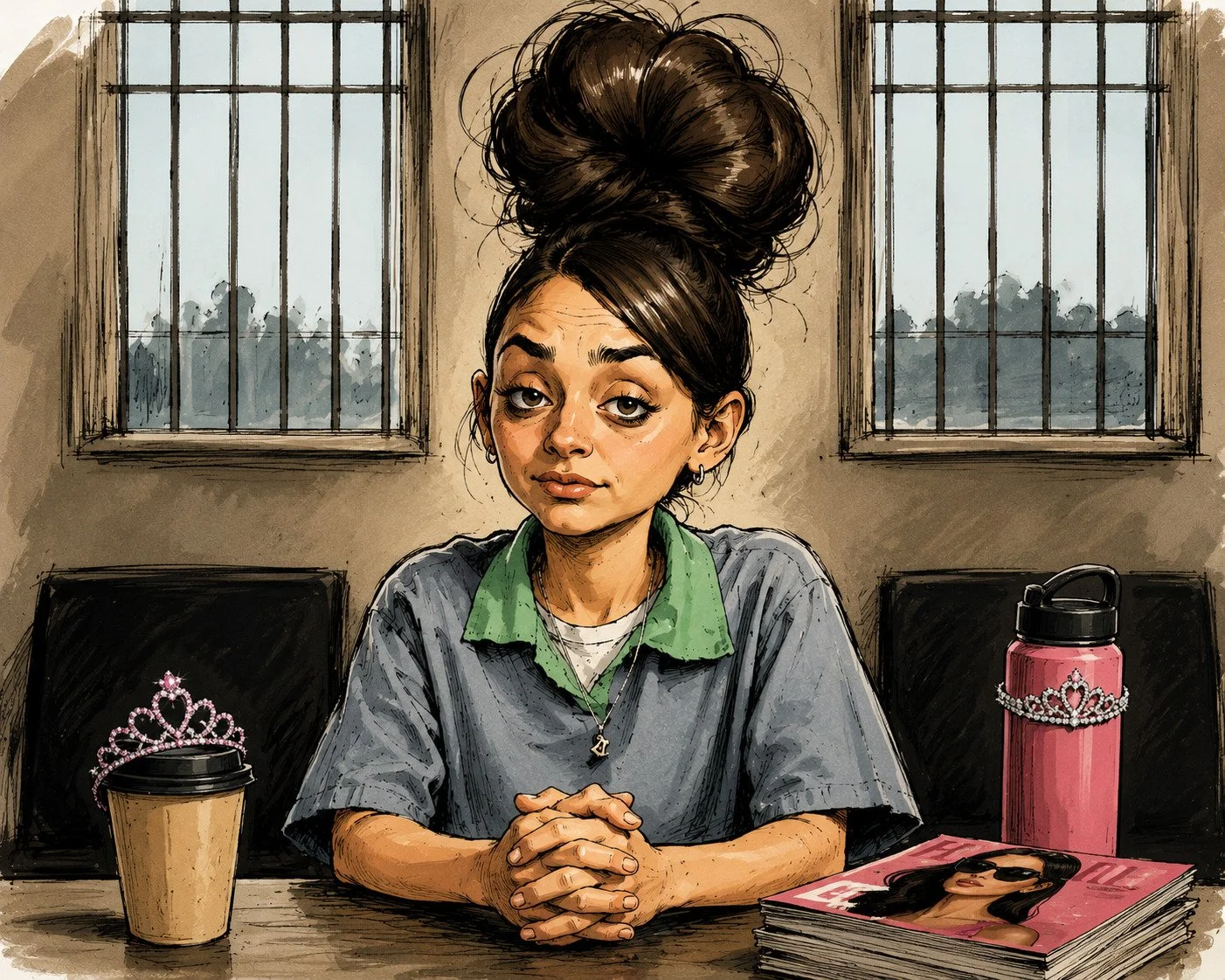
Mackenzie thinks she's the third victim. In prison she's got her makeup done every day and her mom ordering her jewellery. She coaches her mother in coded calls to say "seizure." Steve is on admin leave from a Catholic school. Natalie couldn't answer the driving licence question on the stand. The whole family, receipts in order. Long form. No mercy.
Documented
Today
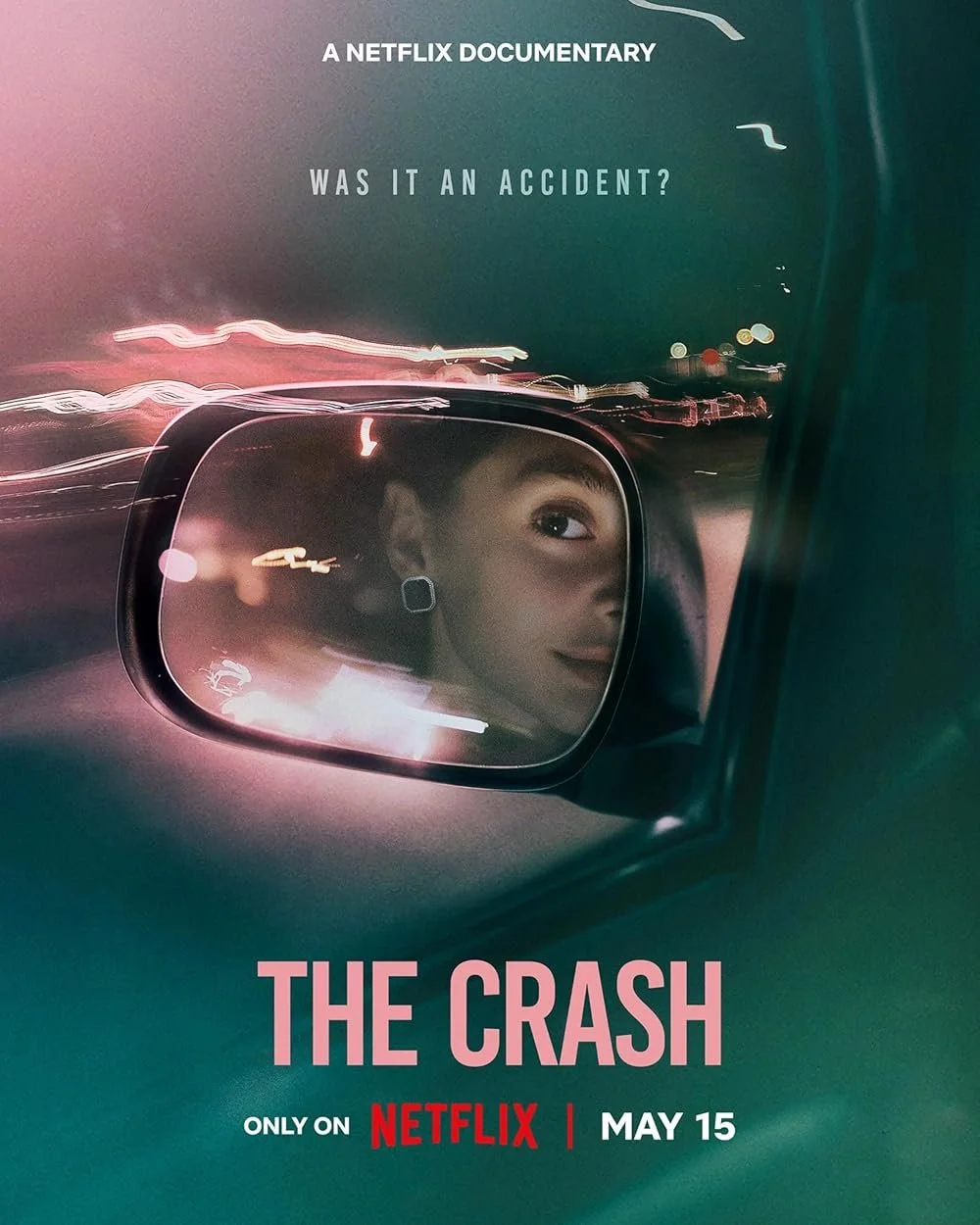
There are two boys who are not alive. Dominic Russo was twenty. Davion Flanagan was nineteen. They are the reason any of us know the name Mackenzie Shirilla. And yet, since Netflix dropped The Crash, the loudest voice in the conversation has been the Shirilla family — a mother who couldn't answer the licence question on the stand, a father who is now on administrative leave from a Catholic school for demonstrating "poor judgment," and a convicted murderer who, in recorded prison phone calls, referred to herself as the third victim and told a friend she does not need to be rehabilitated.
This piece is about all three of them. We are starting with Mackenzie — because understanding who she is, how she communicates, and how she has conducted herself since the conviction tells you everything you need to know about the family that raised her. Then we get to the parents. Then we get to the full ledger. Pull up a chair. This one is long.
Mackenzie Shirilla: Who She Actually Is.
In recorded phone calls from prison, Mackenzie Shirilla told a friend she was the "third victim" in the crash. Let's be clear about who the victims were: Dominic Russo, twenty, who was in the passenger seat, and Davion Flanagan, nineteen, who was in the back. Both died on impact. Mackenzie survived, went home, and had four months before her arrest. She is currently in prison with her makeup done every day and her mother ordering jewellery for her.
The person who drove the car is not the third victim. The person who drove the car is the defendant who was convicted on four counts of murder by a judge who described her actions as "controlled, methodical, deliberate, intentional and purposeful." The category of "victim" is not one that applies to the person whose foot was still on the accelerator when they were found.
"They're trying to make it seem something that it's not. I didn't do this on purpose. I got in a car accident."
— Mackenzie Shirilla · Prison phone call · Per reporting"I got in a car accident." She drove at 100mph without braking into a brick wall at 5:30am. The black box recorded deliberate acceleration. No mechanical failure was found. The judge found premeditation. But sure. Car accident.
In separate prison phone calls, Mackenzie also insisted she does not need to be rehabilitated. She is serving two concurrent sentences of 15 years to life for double murder. The sentence is not punitive in isolation — it is, by the court's framing, partly about rehabilitation. The idea that a person convicted of deliberately killing two people does not require rehabilitation is a thought that could only occur to someone who genuinely believes they did not do what they were convicted of doing.
What is more revealing here is not the sentiment — denial is common among people who maintain innocence — it is the communication style. This is not a person who says "I didn't do it and I'm heartbroken." This is a person who says "I am not the problem. I don't need fixing." Those are the words of someone whose understanding of the situation is entirely self-referential. Two boys are dead. She has decided she does not need rehabilitation. The communication failure here is not a symptom of grief. It is a character snapshot.
In recorded prison phone conversations with her mother, Mackenzie spoke in coded language resembling pig latin. The content of those coded conversations — per People's reporting — included coaching her mother to tell prosecutors that she had suffered "a seizure" that caused the crash.
This is the full context of the "secret language" that has been reported warmly as a close mother-daughter bond. It is a close mother-daughter bond. It is also an active, documented, ongoing case management operation conducted on recorded prison calls in a code that the family apparently believed was undetectable. The seizure argument has since appeared in the legal filings — reframed as POTS, but the same underlying claim. The defence strategy was apparently workshopped on prison phones in pig latin.
The POTS argument — that a pre-existing medical condition caused Mackenzie to black out — has been presented publicly as a medical claim supported by Mackenzie's 2017 diagnosis. What the coded prison calls reveal is that the "seizure" framing was being actively constructed in communication between Mackenzie and her mother, in code, on recorded prison phones. The diagnosis may be real. The decision to build a defence around it appears to have been a collaborative project. This context matters when evaluating how the parents present the POTS argument on Netflix.
Also: prison phone calls are recorded. Everyone knows prison phone calls are recorded. The decision to speak in pig-latin-adjacent code on a recorded call is a communication choice that tells you something about both the judgment and the self-belief of the people making it.
Former inmate Mary Katherine Crowder served time at the Ohio Reformatory for Women during an overlapping period with Mackenzie. Her account — published in multiple outlets including the New York Post and People — describes a person who is nothing like the documentary version of herself.
"Even the way she talks is completely different. She talked like a Valley girl when I was in there with her. Her voice was very happy-go-lucky and high-pitched, but now she has an edge to her voice."
— Mary Katherine Crowder · Former inmate · New York Post, May 2026The documentary Mackenzie: dark, subdued, remorseful, careful. The prison Mackenzie per Crowder: preppy, upbeat, makeup done every single day, Valley girl voice, concerned with social standing.
"When she walked out in the documentary, my jaw literally dropped, because her demeanour and the way that she looked was nothing like the person I was in there with. She was very girly and light, and in the documentary she came off as very dark and smug."
— Mary Katherine Crowder · New York Post · May 2026We note that Crowder's account is from one source and is unverified. We also note that it is extremely specific and corroborated in detail across multiple interview settings. We further note that the documentary was the first time Mackenzie agreed to be filmed — that she had never been interviewed by police before or after her arrest, per the director — which means the Netflix appearance was entirely controlled, prepared, and voluntary. A person who prepares a voluntary appearance for Netflix would be aware of how they wanted to come across. A Valley girl who makes her debut on a murder documentary in a carefully selected register is doing something quite deliberate.
How consistent is Mackenzie's remorse across documented settings?
Per Crowder's account — corroborated with screenshots published in social media posts that went viral: Mackenzie had makeup and jewellery in prison because her mother was ordering it for her. She was described as the "Mean Girl" of the prison yard, with an attitude towards other prisoners she perceived as beneath her. She cycled through multiple romantic relationships with female inmates. She customised shoes and hats. She took selfies on prison-issued tablet devices, pursing her lips, showing off outfits.
"Mackenzie has makeup and jewelry in prison because her mom is ordering it for her… she was funding her prison lifestyle and making it as comfortable as possible. She's privileged in prison because her mother and father enable that."
— Mary Katherine Crowder · TikTok @boujeebehindbars · May 2026And then there is the sugar daddy website. Per Crowder's account — and shown via screenshots — Mackenzie was reportedly active on a prison sugar daddy site, with men outside supplying additional items. This is, in a single image, the full picture of how Mackenzie Shirilla is spending her incarceration: not in the dark, remorseful state she performed for Netflix, but as a person being actively funded and supplied by her parents and by men online, who crowded herself the mean girl of the yard, who used two different voices for two different audiences, and who told a friend on a recorded call that she is the third victim and doesn't need rehabilitation.
Crowder also noted she never saw Mackenzie seek medical treatment for POTS while they were incarcerated together. For a condition supposedly severe enough to black out at the wheel of a car, the absence of regular treatment is a detail the ongoing appeals do not address.
The prosecution's case included phone call evidence in which Mackenzie was allegedly overheard saying "I will crash this car right now" during a call with Dominic Russo. This was not the only documented threat: in the month of the crash, prosecutors said she made "multiple threats" toward Russo. Videos recovered from his phone showed an altercation in which she was heard "repeatedly degrading Dominic, threatening him, and damaging his property."
She allegedly threatened to key his car. She allegedly tried to break the handle off a door after he refused to let her into his home. The pattern documented by the prosecution is not a picture of a teenager with a medical condition who suffered an unfortunate episode at the wheel. It is a picture of someone in an escalating pattern of control, intimidation, and stated intent — culminating in a crash that the judge found was exactly what she threatened.
The defence and the family have never adequately addressed these prior documented threats in their public narrative. The Netflix documentary featured Natalie sharing texts about Dominic "trying to end my life." It did not feature the texts where Mackenzie said she would crash the car. The editing choices, as it turns out, went both ways.
"Multiple threats" toward Dominic Russo in the month before the crash. Per court filings.
Videos on his phone showing Mackenzie "repeatedly degrading Dominic, threatening him, and damaging his property." Per prosecution evidence.
"I will crash this car right now" — overheard on a phone call. Entered as evidence. Part of the conviction record.
Former boyfriend Tyler Proctor told A&E: "I just don't think she's mentally all there. I personally feel like she was trying to kill herself in that crash, and she failed."
SHE SAID "I WILL
CRASH THIS CAR"
BEFORE SHE DID.
THE JUDGE NOTICED.
Now: The Parents. Everything Wrong With Both.
Mackenzie was diagnosed with POTS at thirteen years old. Her parents knew. POTS can cause dizziness, fainting, and blackout episodes. This was 2017 — five years before the crash, four years before she turned seventeen and started driving.
The defence argument that POTS caused the crash requires you to simultaneously believe: (a) the condition was serious enough to cause a blackout at the wheel of a car travelling at 100mph, and (b) the same parents who knew about this condition since 2017 issued a driver's licence to the person who had it. Those two things cannot both be true in a way that exonerates anyone.
When prosecutors asked Natalie on the stand why Mackenzie was allowed to get a driving licence given the known blackout condition — Natalie struggled to answer. This is the most important moment of the trial that nobody is discussing. The defence's exculpatory theory requires its own parents to explain a decision they cannot justify on the stand.
"She had a medical condition that could have caused her to black out."
Crowder also noted — for the record — that during her six months incarcerated alongside Mackenzie, she never saw Mackenzie seek or receive any medical treatment for the POTS condition that is now central to the appeal. If the condition is serious enough to have caused a fatal crash, it would presumably require ongoing management. The absence of visible treatment is a receipt the appeals court has not been asked to address.
On the night of the crash, Mackenzie, Dominic, and Davion had been using drugs together. This is in the record. Mackenzie's substance use history was established evidence. The prosecution used it as context.
When Steve Shirilla appeared in The Crash and was asked about his daughter's history with drugs during her teenage years, viewers noticed something specific about his response. Not grief. Not the hollow look of a parent who has spent years asking themselves what they missed. Nonchalance. The variety that comes from familiarity rather than shock. The kind a person displays when something isn't news to them.
Three days after Netflix dropped, Steve was on administrative leave from Mary Queen of Peace Catholic School in Cleveland. The school's statement used the phrase "poor judgment." Steve's response was to tell the press that Netflix had edited him unfairly and that more of what he said was cut. Netflix did not fabricate Steve Shirilla. They filmed him. Whatever came across on screen came from him. The school watched the same film as the rest of us and arrived at their conclusion within 72 hours.
"Netflix edited my comments. More of what I said wasn't included."
Steve Shirilla was an art and digital media teacher at Mary Queen of Peace School in Cleveland. A Catholic school. He was hired approximately two and a half years before the 2022 crash. He continued teaching there throughout the investigation, the arrest, the trial, the conviction, the sentencing, and all three appeals. The school conducted standard background checks at hiring. Nobody found cause to remove him.
Then The Crash premiered on May 15, 2026. Three days later — May 18 — Steve was on administrative leave. The school sent an email to parents: "Administrators at Mary Queen of Peace School are investigating allegations made on social media that one of our teachers has demonstrated poor judgment. Upon learning of the allegation, the school acted immediately."
The word "immediately" there is: three days after a Netflix documentary. The word "poor judgment" is: whatever specifically was in that documentary that the school found actionable. Steve says it was the editing. A parent quoted in Cleveland 19 said: "I do think the way a lot of this was handled by the parents wasn't tasteful."
This is a man who spent years in front of teenagers while his daughter's case was in the courts, while the conviction sat on the record, while every appeal was filed and denied. The documentary made public what the record already contained. The school moved within 72 hours of seeing it. That gap — between what the record showed and what the public needed to see before action was taken — is a receipt about visibility rather than judgment. The judgment was available earlier. Nobody looked until Netflix pointed.
In The Crash, Natalie Shirilla shared screenshots of texts from Mackenzie saying Dominic Russo was "trying to end my life." She brought these texts to a Netflix documentary as defence evidence. As a reason to believe the crash was not intentional.
What she did not address is what any reasonable parent would have done upon receiving those texts at the time. When your teenager texts you that her boyfriend is trying to kill her, the correct response is not to wait and see how the relationship develops. You end it. You remove her from the situation. You intervene. That is the minimum. That is the job of the parent.
She did not do that. The relationship continued. The crash happened. Dominic Russo died. And then Natalie brought those same texts to Netflix as evidence that the crash wasn't Mackenzie's fault — apparently not registering that the texts also document that she, as the parent, had been told the situation was dangerous and chose not to act on it.
The prosecution's motive case was that the volatile relationship was the reason for the crash. The texts Natalie brought to Netflix as a defence support the prosecution's theory. A teenager who told her mother her boyfriend was trying to end her life and who then drove him into a wall at 100mph is not a teenager having a medical episode. She is a teenager in a dangerous situation that her mother knew about and did not defuse. Natalie brought receipts for the wrong side of the argument.
Per Crowder's account: Natalie has been ordering makeup and jewellery for Mackenzie in prison. Making the incarceration "as comfortable as possible." Funding a prison lifestyle that includes being the Mean Girl of the yard, customising shoes and hats, taking selfies on prison tablets, and — per separate reporting — being active on a sugar daddy website for additional supplies.
This is the same mother who could not answer the driving licence question on the stand. Who brought the wrong-side-of-the-argument texts to Netflix as a defence. Who participated in coded prison phone calls to construct a seizure narrative. And who is now making sure that the person serving time for double murder has their makeup ordered and their jewellery maintained.
The enabling that characterised the pre-crash period — the known POTS, the known drug use, the known volatile relationship, none of which resulted in meaningful intervention — has not stopped. It has simply relocated to a prison commissary order. The pattern that produced the situation continues to operate within it. The parents did not learn from what happened. They are still doing what they were doing before.
The Netflix documentary producer confirmed: "We know that the Shirillas will use every recourse available to them. As they say in the film, 'We will fight, fight, fight, fight, fight, fight.'" On April 27, 2026, the Shirillas filed another appeal to the Ohio Supreme Court. The argument: POTS. The argument that requires explaining the licence. The argument Natalie couldn't answer on the stand. Filed to a higher court, four years later, by the same family that has yet to run out of fight.
Meanwhile: Dominic Russo's family is pushing Dom's Law — legislation to stop convicted violent offenders from profiting on social media. They are doing this without a Netflix deal. Without a documentary. Without a secret pig-latin-adjacent prison phone code. Without a mother ordering jewellery. Without a father on administrative leave. Without any of it. Just quietly, in the background, trying to make something out of the worst thing that ever happened to them.
The contrast is not subtle. The Shirilla family is fighting because they believe Mackenzie is innocent. Dom's family is legislating because their son is dead and they are trying to prevent his murderer from profiting on that. Both things are happening simultaneously in 2026 and only one of them is getting a streaming deal.
THE ENABLING
BEFORE THE CRASH
HASN'T STOPPED.
IT RELOCATED.
In The Dock: The Full Dossier
Communication style: Two voices for two audiences. Valley girl for prison. Dark and remorseful for Netflix. Pig latin for conversations she doesn't want recorded — on recorded calls.
In prison: Makeup daily. Jewellery ordered by mom. Mean girl of the yard. Active on sugar daddy website. Customising shoes. Never seen seeking POTS treatment.
On record: "I don't need to be rehabilitated." "I'm the third victim." "I got in a car accident." "I will crash this car right now" — said before the crash, entered as prosecution evidence.
The POTS argument: Workshopped on recorded prison calls with mother. Framed as "seizure" in coded language. Now the central appeal argument. Never visibly treated in prison.
What they knew: POTS since 2017. Drug use — Steve: nonchalant. Volatile relationship — Natalie received the "trying to end my life" texts. All of it. Before the crash.
What they did with what they knew: Issued a driving licence. Did not end the relationship. Are now on Netflix saying everyone else was wrong.
Post-conviction: Coded prison calls. Jewellery orders. Netflix documentary. Ohio Supreme Court appeal. Fight fight fight fight fight fight. Steve: admin leave day 3 post-documentary. "Poor judgment" per Catholic school.
Natalie on the stand: Asked why Mackenzie had a driving licence given the known blackout condition. Struggled to answer. The court noticed. The judge noticed. We noticed.
The Full Timeline. Every Decision That Led Here.
POTS diagnosis. Mackenzie is thirteen. Parents informed. Condition can cause blackouts. Five years before the crash. Four years before she starts driving.
Relationship with Dominic Russo begins and escalates. Mackenzie texts Natalie that Dominic is "trying to end my life." Natalie receives the text. The relationship continues. The car keys remain available. The relationship deteriorates further.
Multiple threats documented. Mackenzie makes multiple threats toward Dominic. Videos on his phone show her degrading him, threatening him, damaging his property. She threatens to key his car. She says: "I will crash this car right now."
The crash. 5:30am. 100mph. No braking. Brick wall. Dominic Russo, 20 — dead on impact. Davion Flanagan, 19 — dead on impact. Mackenzie found unconscious. Prada slippers still on the accelerator.
Mackenzie arrested and charged. Multiple counts of murder, aggravated vehicular homicide, felonious assault. Initial crash ruled accident, then re-investigated. She describes the charges as "literally insane."
Conviction. Judge: "controlled, methodical, deliberate, intentional and purposeful." Also: "literal hell on wheels." Sentenced: two concurrent 15-years-to-life. Parole eligible 2037. Parents announce the fight.
Prison phone calls — recorded. Mackenzie refers to herself as third victim. Says she doesn't need rehabilitation. Speaks in coded language with Natalie coaching her to say "seizure." These calls are recorded. Everyone knows prison calls are recorded.
First appeal filed — one day late. Lawyers miscounted. Didn't account for 2024 being a leap year. Missed the 365-day deadline by 24 hours. The lawyers blamed the leap year. Appeal denied.
Netflix drops The Crash. Steve appears: nonchalant about drug use. Natalie appears: shares the texts. Mackenzie appears: dark, subdued, remorseful. Former inmate says: that is not how she actually presents in prison.
Steve on administrative leave. Mary Queen of Peace Catholic School. "Poor judgment." Steve's response: blames the editing. 72 hours after Netflix. Every hour documented.
Ohio Supreme Court appeal filed. POTS argument again. Ineffective counsel. Clock argument. Legal experts: she is probably done. The court has not agreed to hear the case. The family disagrees. As usual.
THE PARENTS AREN'T
THE VICTIMS.
MACKENZIE ISN'T
THE THIRD VICTIM.
THERE WERE TWO VICTIMS.
Dominic Russo was twenty years old. Davion Flanagan was nineteen. They are the reason any of us know this family's name. They did not get a Netflix documentary. They did not get coded prison calls strategising their next move. They did not get a mother ordering their jewellery or a father calling the editing unfair. They got Dom's Law, pursued quietly by people doing their best to make something out of grief.
Mackenzie Shirilla is the third victim, per herself. She is a person who does not need rehabilitation, per herself. She is someone who "got in a car accident," per herself, despite having said she would crash the car beforehand, despite the black box recording deliberate acceleration, despite the judge's eight-word description: controlled, methodical, deliberate, intentional and purposeful. The self-image and the documented record have never been closer to convergence than they are right now, and they remain completely incompatible.
The parents raised a person who drives at 100mph and calls herself the victim afterward. They knew about the POTS, the drugs, and the volatile relationship. They are now on Netflix saying everyone got it wrong, ordering jewellery to prison, filing appeals on a one-day-late technicality, and blaming the editing. The pattern that produced the situation is still running. It just has a different address now.
The crash, documented. The prison update, documented. The family: above. All of it. Court is adjourned. ☕
SEO: mackenzie shirilla (45,000/mo KD 2) · mackenzie shirilla parents (200/mo KD 2) · natalie shirilla (90/mo KD 0 TP 4,700) · mackenzie shirilla appeal (600/mo KD 0 TP 3,100). Title: Mackenzie Shirilla's Parents: Steve, Natalie, and Everything Wrong With Both | Brewtiful Living · Slug: /culture/mackenzie-shirilla-parents-the-full-account. Sources: Court TV, Cleveland 19, People, New York Post, Yahoo Entertainment, The Wrap, Parade, AOL, NBC News, Netflix The Crash (2026), AOL/AE Killer Cases.